



Riverside, CA
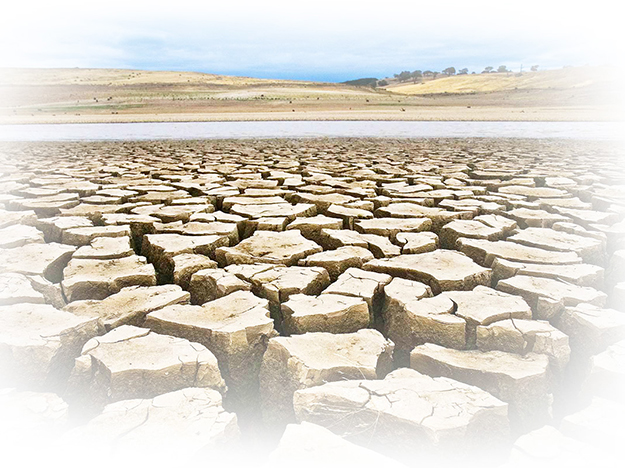
Until Kurt Schwabe, professor of environmental economics and policy, UCR and his project team began their investigation no one had explored the possible impact California’s relentless drought might have on the health of the state’s residents.
Schwabe and his team have received a $284,680 grant from the Robert Wood Johnson Foundation’s Evidence for Action Program to explore this issue.
Although the team will consider health implications around the state it will focus much of its attention not only on the Central Valley in addition to the agricultural regions of Riverside and San Bernardino counties.
Studies of drought have previously focused on its impact on agriculture revenue, the survival rates of fish and urban water use and loss during dry periods but the impact on human beings has failed to be an area of focused inquiry—until now.
What is known however is that drought and extreme temperatures can have a devastating impact on communities that rely on the agriculture industry, who are primarily immigrant and Hispanic. According to Schwabe, the stress, anxiety, reduced income and job losses experienced as a result of the drought can have health implications. For this reason, researchers will evaluate factors like emotional distress, binge drinking, and infant birth weight and mortality, among other health measures.
The goal, according to Schwabe is to work to include health as a factor in future drought discussions among policy and lawmakers in California. No one would argue that human health consideration should be a major consideration along with other impacts as plans for the distribution of water resources and other associated investments are evaluated.
Researchers will evaluate health data from the California Office of Statewide Health Planning and Development in their analysis. The analysis with cover a twenty-year period between 1990 and 2010. This timeframe was selected in order to include periods of droughts as well as extremely wet years of El Nino.