


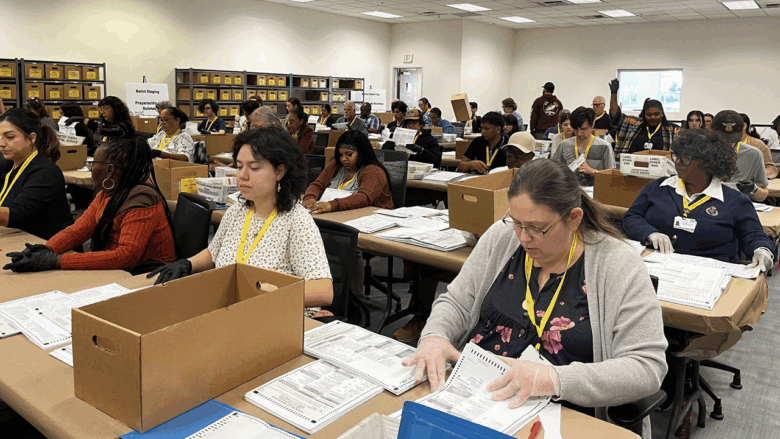
Overview: Ahead of Election Day on Nov. 5, the Riverside County Registrar of Voters has implemented new security measures at voting locations, including cameras, security guards, and metal detectors, to protect voters and election workers. The Registrar of Voters has also added a fence around the perimeter of the building, a metal detector at the front entrance, cameras that monitor each stage of the ballot process, and patrolling law enforcement and security guards. Members of the public are welcome to tour the ballot process in a show of transparency to learn what happens to a ballot once it is submitted.
Breanna Reeves
Over the last several years, state and local jurisdictions have taken steps to further protect voters and election workers, as well as protect the integrity of elections by being more transparent about the voting process amid reports of harassment and intimidation.
Counties across the nation began planning for the upcoming election months ago by implementing new security measures at voting locations such as adding more security cameras, additional security guards on site and metal detectors.
The Riverside County Registrar of Voters has added additional security enhancements to the building including a fence around the perimeter of the building, a metal detector at the front entrance, cameras that monitor each stage of the ballot process, and patrolling law enforcement and security guards.
“The idea here is to ensure that our constituents and also the Registrar of Voters staff [know] that their safeguards are there,” said Art Tinoco, registrar of Riverside County. The registrar’s office is contracted with the Riverside Sheriff’s Department, who will be driving around the 150 voter locations on election day.

“It’s very important to me to always be prepared, and that is one of the reasons why I have implemented all of these security measures,” Tinoco explained.
Additional security measures will stay in place throughout the election season as the Registrar welcomes members of the public to tour the ballot processing center to learn more about the life of a ballot and to promote transparency about the voting process.
“There is no secret in your voting process,” said Elizabeth Florer, public information officer, while pointing out the different stages of ballot processing during a media tour. To promote transparency, the public is welcome to observe the life of a ballot process every Tuesday and Thursday, running through Election Day, from 11 a.m. to 12 p.m. and 4 p.m. to 5 p.m.
Life of a ballot
To maintain election integrity, the Riverside County Registrar of Voters practices a two-person minimum requirement at each stage of ballot processing. This requirement ensures that there is always a “checks and balances” system, according to Florer.
Approximately 1,200 workers were recruited for temporary election-related positions and ballot processing to accommodate the high volume of ballots. Among the 2.47 million people living in Riverside County, 1.64 million are eligible to vote and 1.34 million are registered voters.
As of Oct. 23, approximately 1,403,155 vote-by-mail ballots have been issued and roughly 206,839 have been returned as “good,” according to the Riverside County Registrar of Voters.
Throughout the ballot processing center and warehouse, newly installed live stream cameras are stationed. Live streaming cameras were installed so residents can watch the process from the comfort of their own home, or learn about the life of a ballot. If processes are happening, the cameras are live. If the processes are not happening, the streaming is not live.
The Registrar receives ballots each day from three different avenues: votes by mail through the United States Postal Service, drop-off ballots from ballot drop boxes or curbside drop offs, and ballots from vote centers (formerly polling places) where people vote in person.
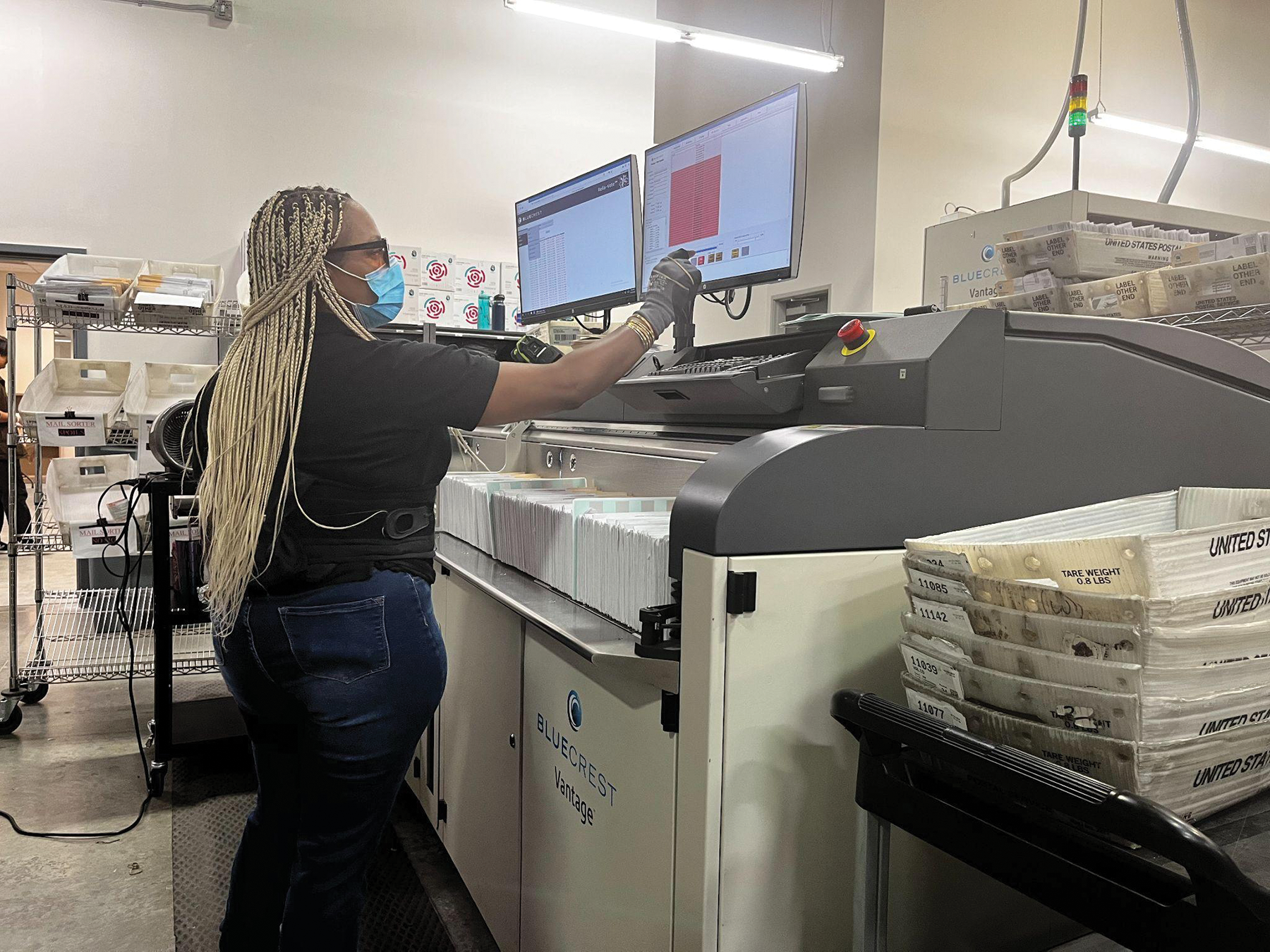
Once ballots are received at the Registrar, staff sort through the ballots to see if there are any ballots that need to be further reviewed such as ballots that are not from this upcoming election.
Next, those ballots go through the mail sorting equipment. The county recently acquired a second mail sorter in anticipation of the high volume of ballots for the 2024 election.
The mail sorter then captures an image of the envelope with voter signatures and that image is transferred into an election management database. These ballot envelopes undergo a rigorous process of signature verification performed by operators who confirm and match signatures against voter registration information, and if the signature is challenged, it is reviewed again.
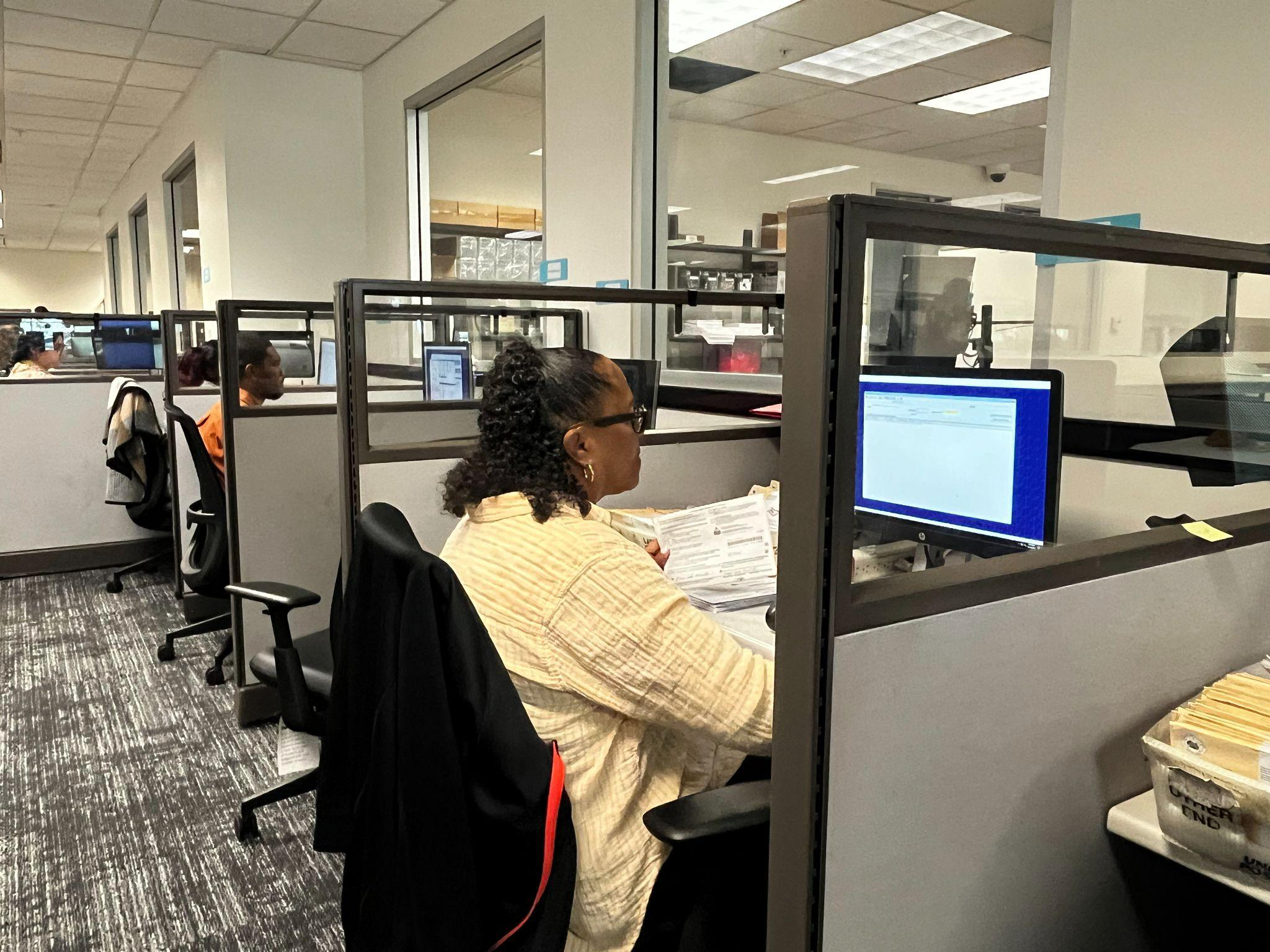
Operators grab the actual envelope with the ballot enclosed, and compare the signature on the envelope against what is on record and if it’s challenged a second time, the voter will receive a cure letter. A cure letter informs the voter that there is a problem with their ballot envelope and gives them instructions for making corrections so their vote counts.
Once ballot signatures are verified and marked as a “good ballot,” ballots are moved to the ballot storage room and placed in precinct boxes. A precinct is known as a voting district that has been divided into divisions or precincts for voting. Each precinct has a specific polling place where residents go to vote. There are more than 1,200 voting precincts in Riverside County this election season.
Next, ballots are moved to another section for “slicing and extracting.” Workers are instructed to “unmarry” ballots from the envelope, even if ballots are incomplete or missing a page.
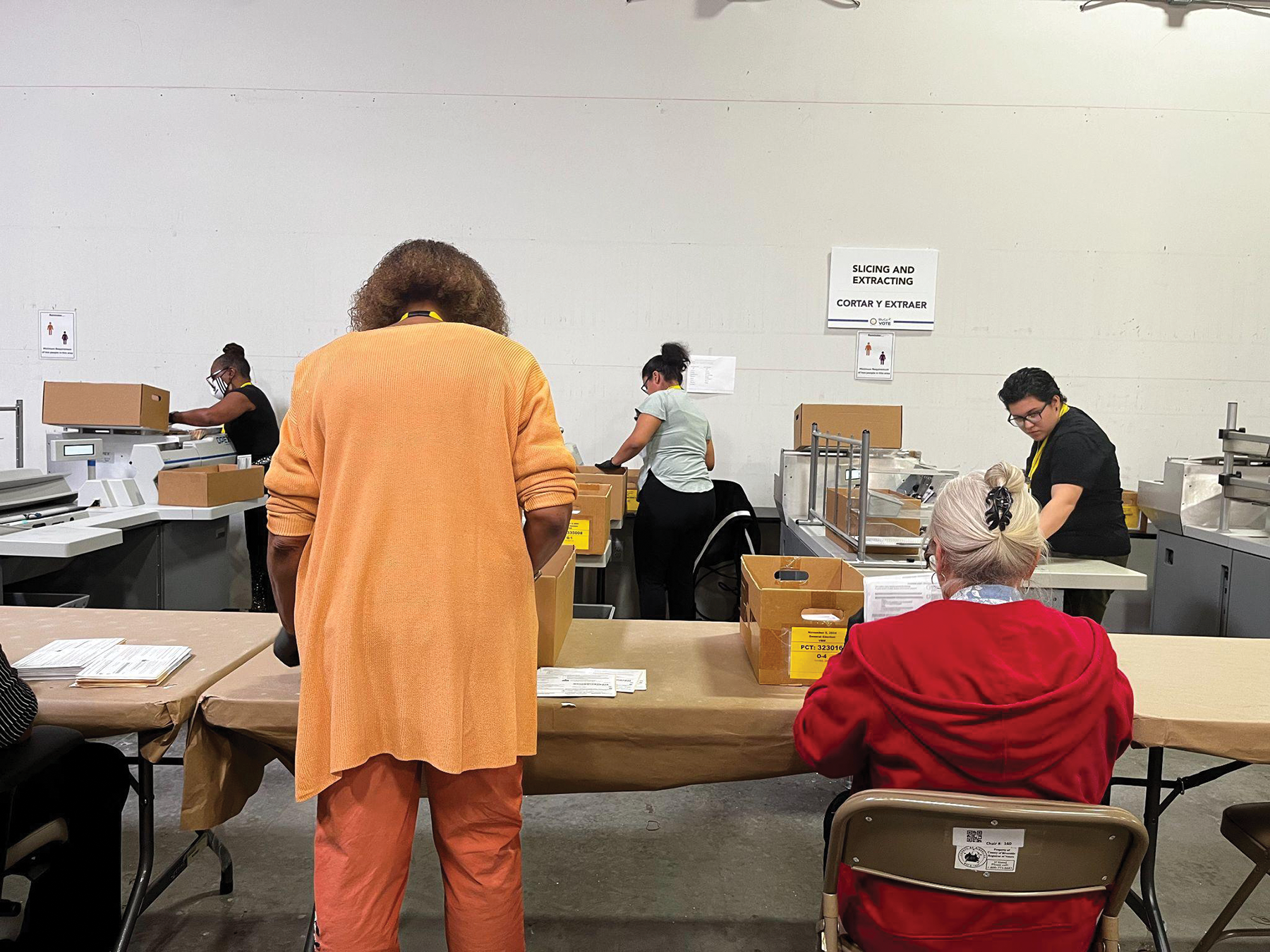
“A lot of times, people only return one card. So, if you only return one card, that one card is all that will get counted, the second card is not going to get counted,” Florer explained. “That card still gets counted and it’s not an invalid ballot. That happens a lot. A lot of times, people will only return one card. Sometimes they return zero cards — no ballot at all.”
Once the envelopes have been opened and placed in their precinct order boxes, they move to a process called ballot staging. Ballot staging involves several processes, the first being reconciliation. Workers count how many envelopes they have and compare with how many ballots they have. Workers have no idea whose ballot belongs to who. This is a way to ensure that all materials are in the precinct box, whether a page of a ballot is missing or not. The next step is flattening the ballots so they can be processed by the high-speed scanner.
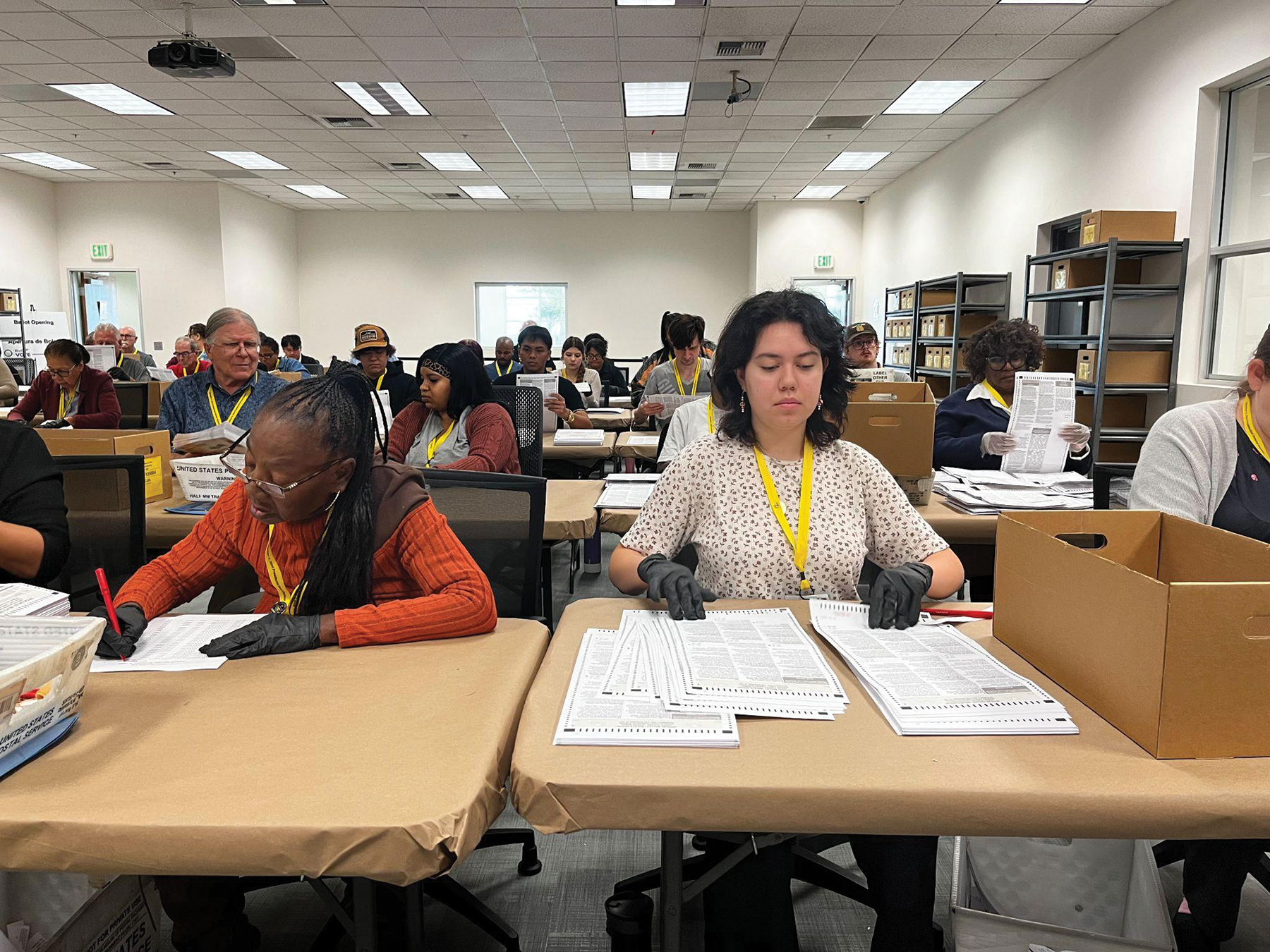
“They have to flatten them all out so we can make sure that it goes through the high-speed scanner,” Florer said. “They’re also checking to make sure there’s no rips, there’s no tears, there’s no spills, [that] people didn’t use red ink… red ink cannot be read by our high speed scanners.”
Any ballots that are damaged, incorrectly marked or cannot be read by the machine are set aside for a process called duplication. During this process, ballots are replicated onto a clean ballot and checked by two workers as they review the votes casted on the damaged ballot. Both the original and the duplicate ballots are kept for future inspection. This process ensures that every vote is counted.
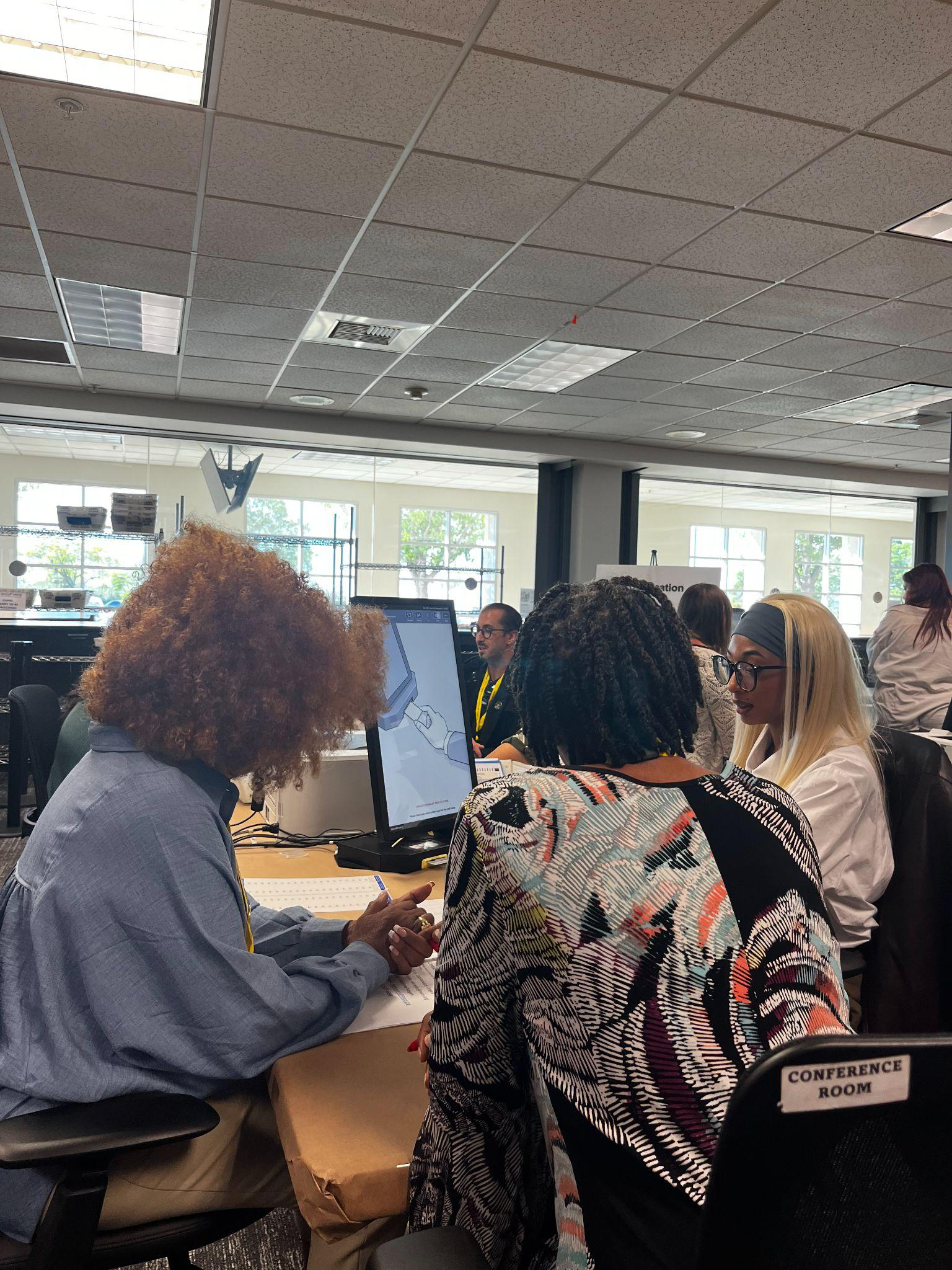
The final step in the ballot process is tabulation. Ballots are transferred to the ballot counting room for tabulation, done by secured machines that have no internet connection.
Ballot storage is where all the ballots and opened envelopes go. Under state law, they are boxed and stored away in the county warehouse for 22 months from the date of any general, special or primary election.
Where to vote
Throughout Riverside County, there are 106 vote-by-mail ballot drop-off boxes that became available to the public on Oct. 7.
Starting on Oct. 26, 19 vote centers will be opening for 11-day in-person voting. Beginning on Nov. 2, approximately 130, four-day vote centers will be open to the public where residents can vote in person, including on Saturday and Sunday, until Election Day on Nov. 5.
Residents can also drop off their ballots at one of two secure ballot drop boxes located at the Registrar’s office or drive up to a worker and drop off their vote by mail ballot via curbside drop off.
After election night results reporting, the Registrar of Voters will begin the canvas of election results starting Nov. 7 — two days after the election. They will also begin their one percent manual tally in which workers will manually count one percent of votes from random voting precincts. According to Tinoco, the Registrar’s office will roll a die to identify which voting precincts they will manually count and compare against the machine counts from their voting system.
On Election Day, Nov. 5, all sites will be open for voting from 7 a.m. to 8 p.m.