
Aryana Noroozi
As Thanksgiving approaches, pumpkins are on the minds of many. Pumpkin, a vegetable native to North America, has been prominent in the Fall season for centuries. In 1796, Amelia Simmons published American Cookery, the first cookbook written by an American and published in America, and pumpkin pie was one of the recipes. Over the next century, it became a staple in the American home each Thanksgiving.
In the present day, Costco reportedly sold 6.1 million pumpkin pies in September through December of 2019. 2.1 million of those pies were bought in the three days leading up to Thanksgiving.
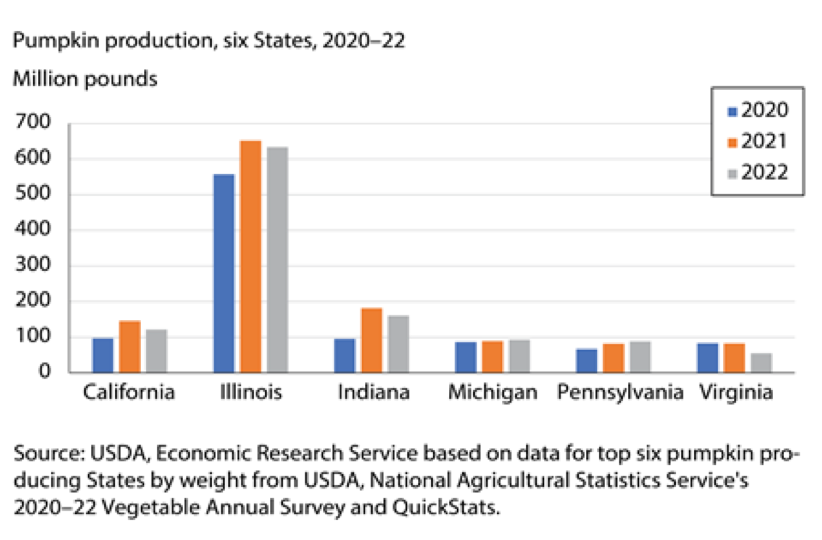
According to the U.S. Department of Agriculture, in 2022, farmers in the top six pumpkin-producing states harvested more than 1 billion pounds of pumpkins combined. Illinois produced 634 million pounds of pumpkins in 2022, which was more than the other 5 most productive states combined. Indiana produced 161 million and California 122 million pumpkin pounds. while Michigan and Pennsylvania each produced about 90 million pounds.
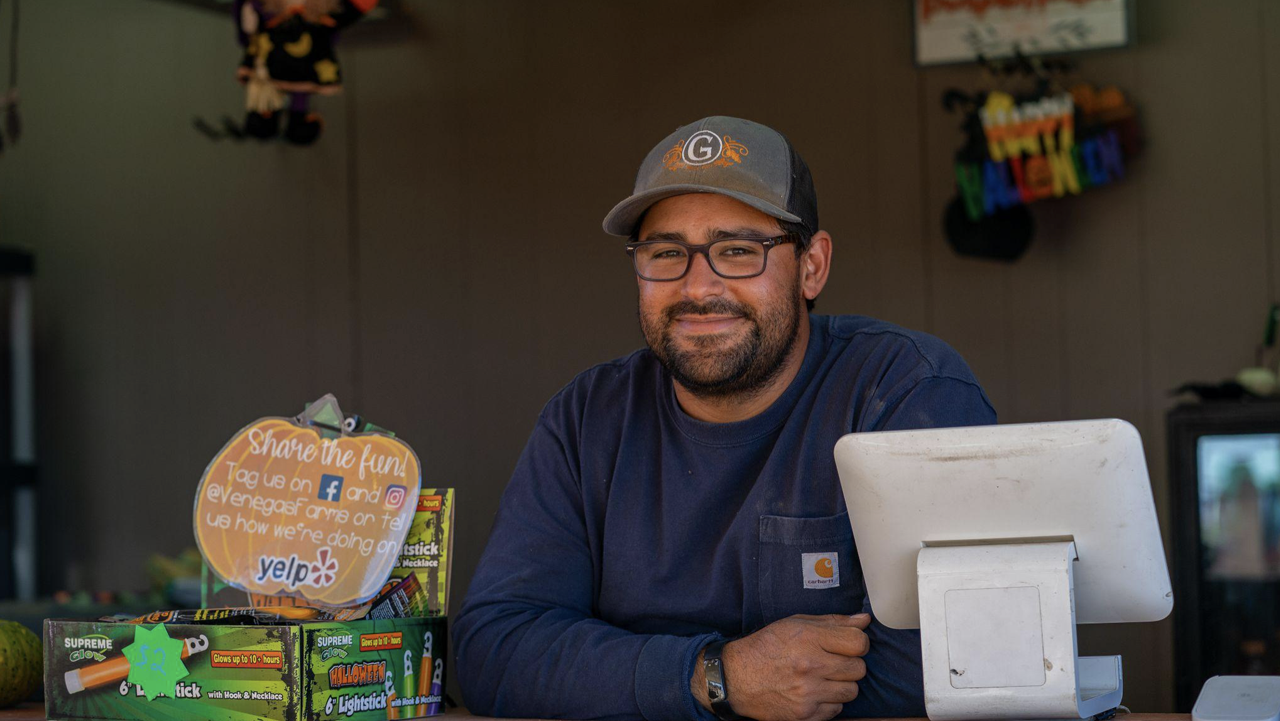
For Adrian Venegas, an Ontario resident and farmer, pumpkins are a part of not only every season, but every day.
Venegas was born into a family of dairy farmers. During the 2008 recession, when the dairy industry took a hit, the Venegas family found a way to subsidize losses — by opening a pumpkin patch.
Since dairy farmers do not work directly with consumers, but with a dairy broker to sell milk, Venegas said selling pumpkins changed this dynamic and unexpectedly brought him closer to the community.
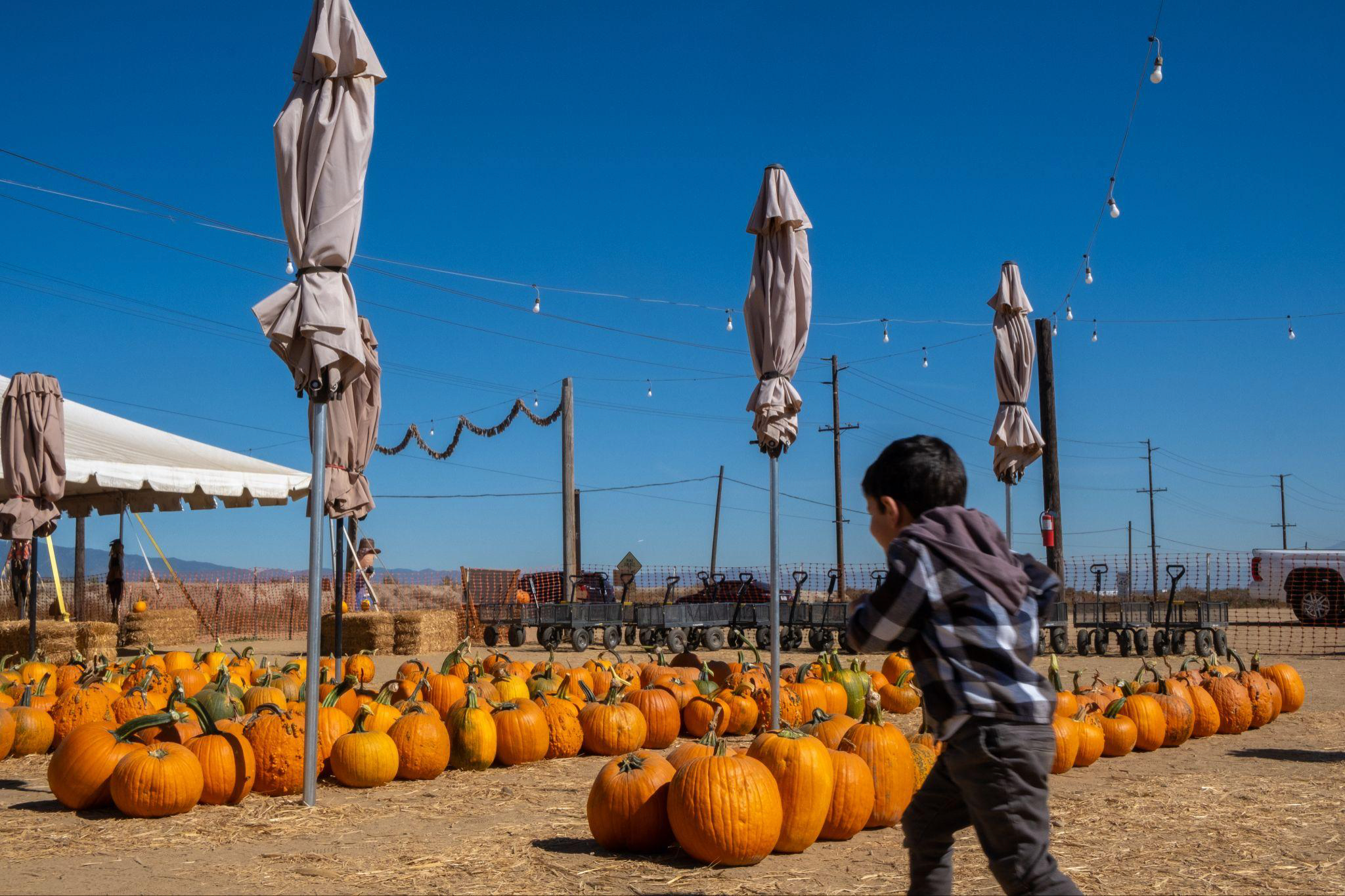
The Ontario family farm, with the pumpkin patch in the front and dairy farm in the rear, provides an opportunity for the community to pick their own pumpkins in the field. Venegas believes few people in the Inland Empire region have had the opportunity to do their own pumpkin picking.
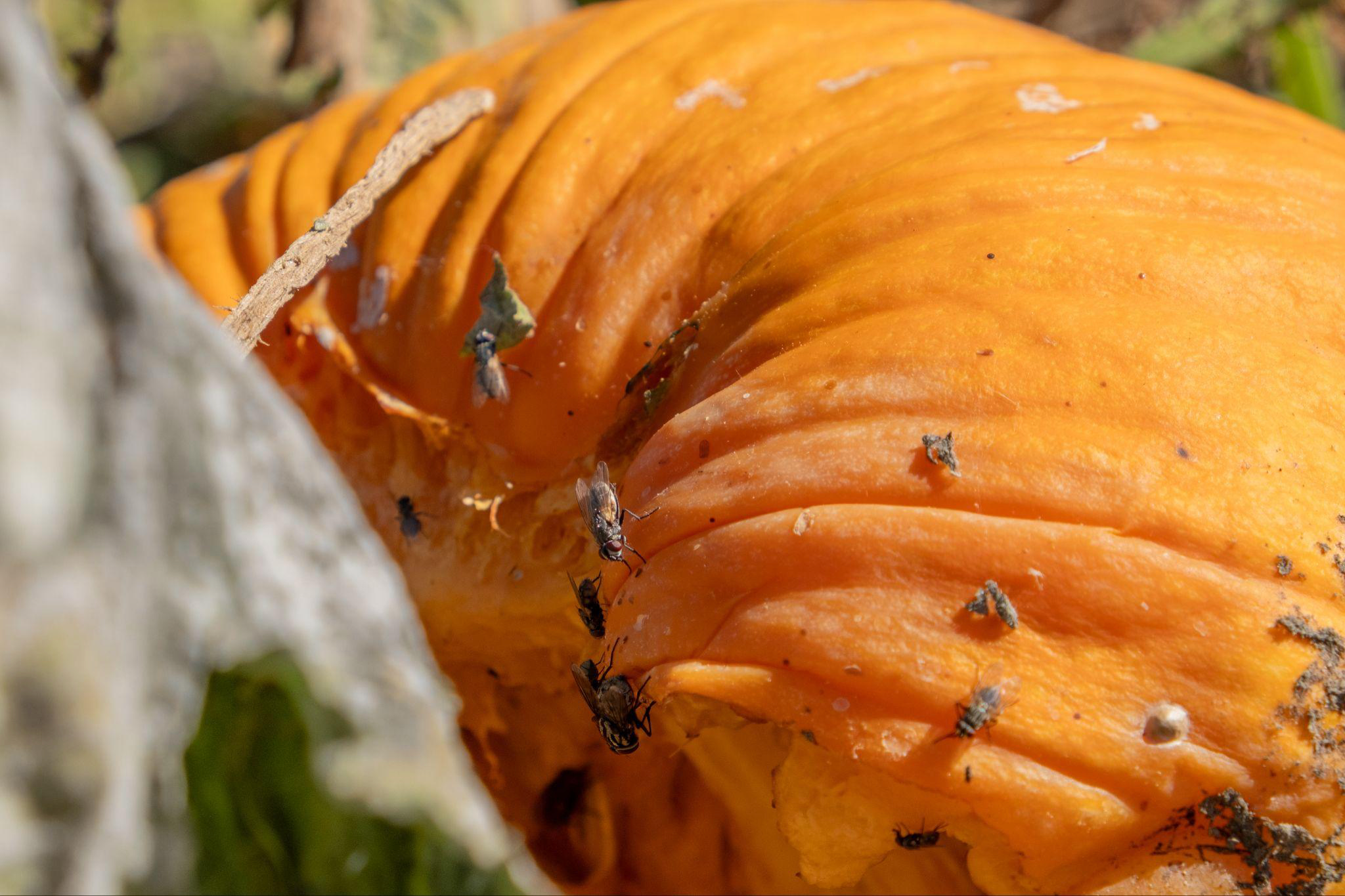
This year, however, Venegas faced unique challenges with growing the crop. October’s scorching heat waves that followed the Santa Ana winds, which blew away plant coverage, caused a large portion of pumpkins to rot.
But Venegas said that any losses from rotten pumpkins actually work themselves out on the dairy side of Venegas Family Farms because the pumpkins are mashed into feed for the cows. This pumpkin feed in turn produces better milk. Venegas described this as a full circle phenomenon.
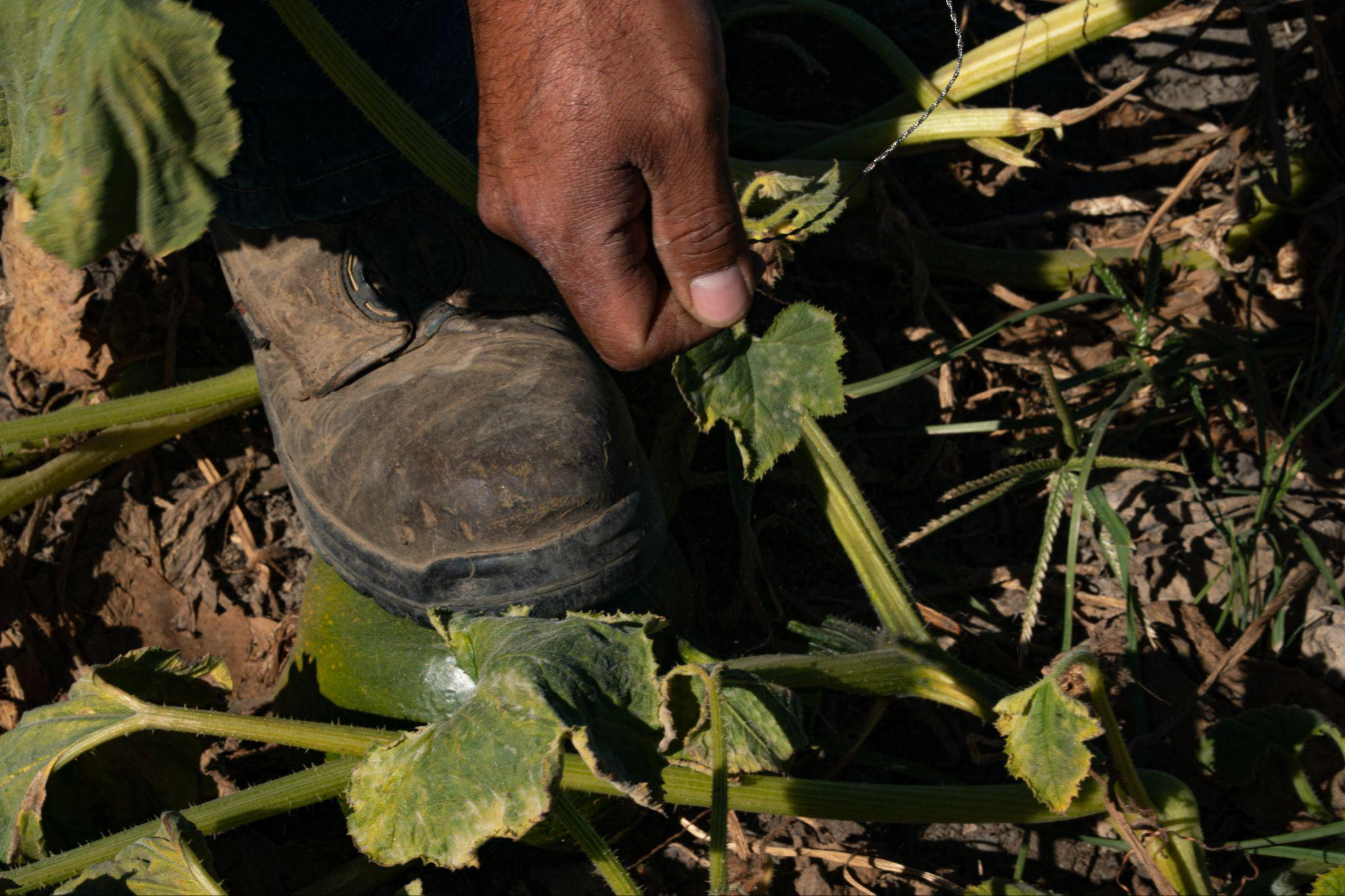
Earlier this month, the pumpkin farm closed for the season. While consumers continue to purchase pumpkin products throughout the holiday season, Venegas begins preparing for 2024 immediately. November is a time where he clears the land and prepares for new seeds to be planted, though there is some uncertainty with the upcoming season.
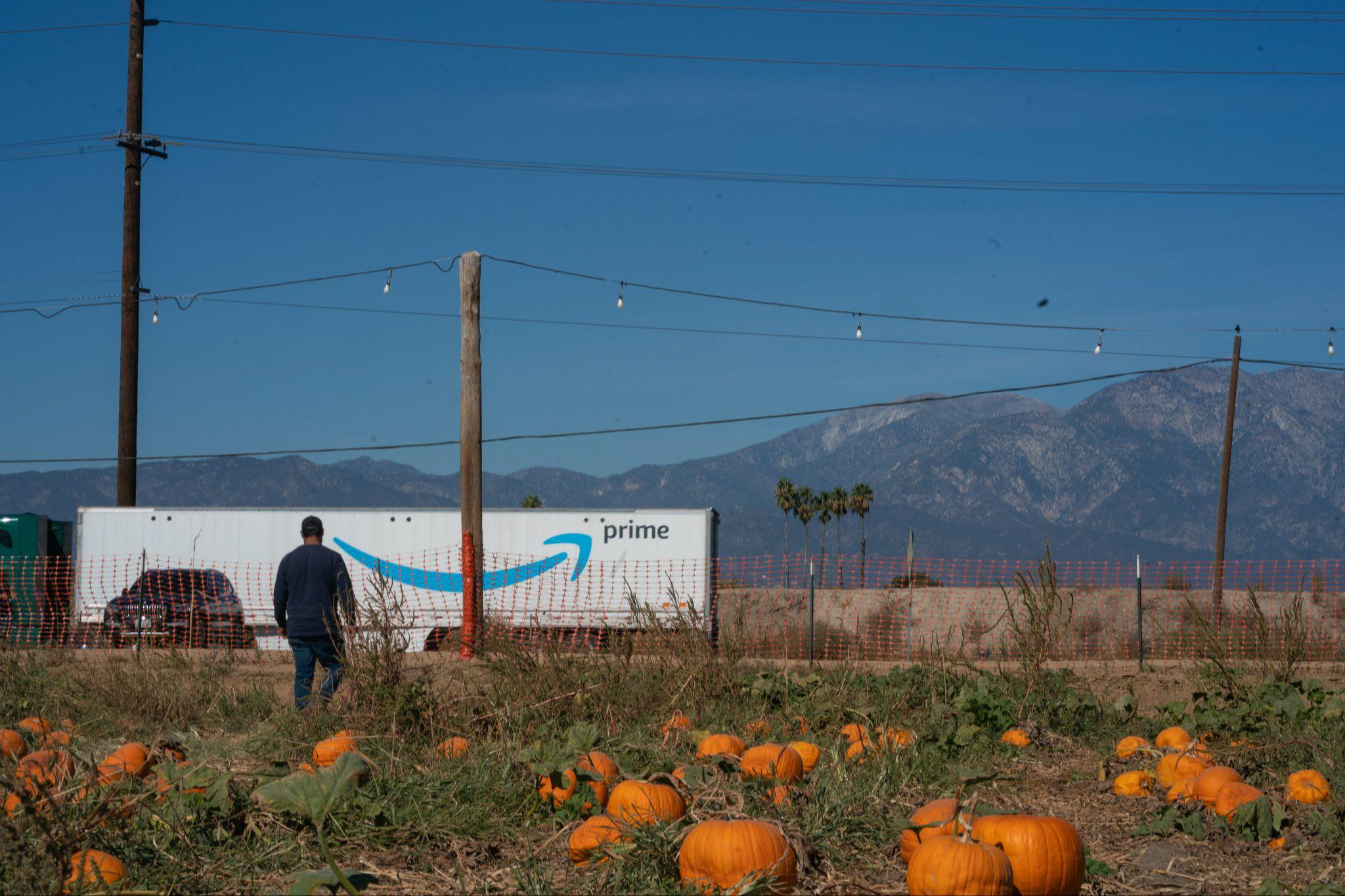
The land that Venegas Family Farm leases is being sold to developers for industrial development. They expect to stay put through November 2024, but are not yet certain. But, if farming has taught Venegas one thing, it is that there are some things he can control and many others that he cannot. He chooses to focus on what he can.
Check out the Black Voice News’s day at Venegas Family Farms below!