


Breanna Reeves | Staff Reporter
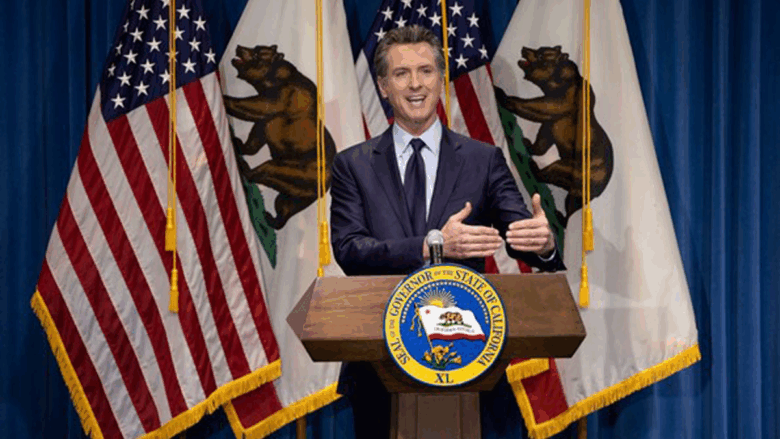
Governor Gavin Newsom signed 770 new laws in October. These laws will take effect beginning January 1, 2022 unless otherwise stated.
Take a look at some of the laws that will undoubtedly impact residents of the Inland Empire:
- AB 701 will require employers in the warehouse distribution industry to provide written descriptions of quotas upon hiring an employer or within 30 days of hiring. This law will prevent employers from requiring quotas that interfere with their rest and meal breaks, or taking action against employees for failure to meet undisclosed quotas.
- SB 221 requires health plans and health insurance companies, including a Medi-Cal Managed Care Plan, to provide timely follow-up care for patients seeking care for mental health and substance use disorder conditions.
- AB 37 requires county election officials to mail a ballot to every registered voter to all elections.
- SB 742 will make it illegal to harass, intimidate or obstruct people from entering vaccination clinics.
- SB 4 and AB 14 are two new laws that seek to make broadband internet access more equitable by extending a phone tax to fund high-speed internet in underserved areas.

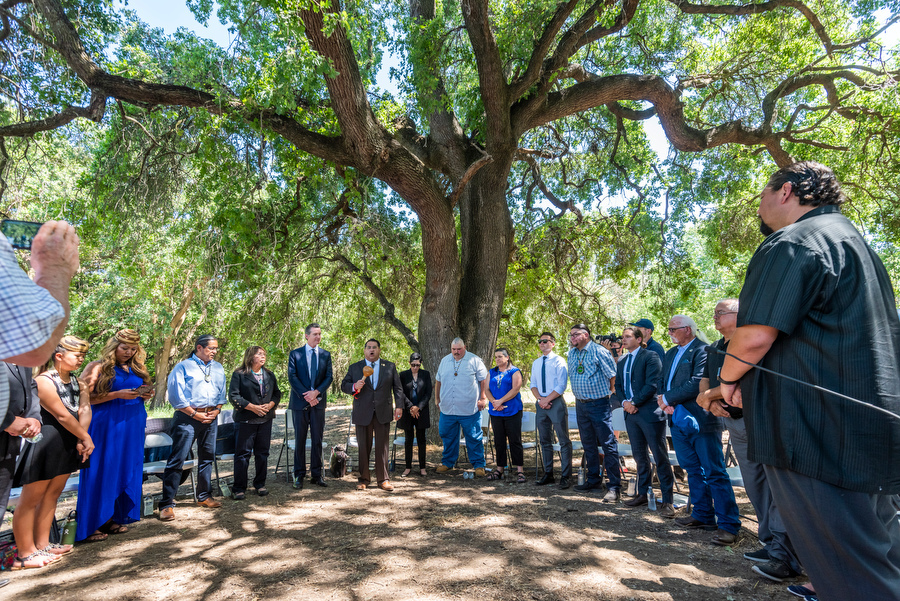
Six new bills set to take effect in the new year were introduced by Assemblymember James Ramos (D-Highland). Signed on California Native American Day (September 23), the bills aim to extend the rights and visibility of Native Americans across the state. Here is an overview of some of the bills:
- AB 798 authorizes federally recognized tribal governments to operate and drive emergency vehicles used in fire or law enforcement emergency calls to reservations.
- AB 873 guarantees that tribal foster youth will have tribal representation during court proceedings involving possible removal from their homes.
- AB 855 recognizes California Native American Day as a judicial branch holiday on the 4th Friday in September and adds Columbus Day to the list of excluded judicial holidays.
Laws regarding police reform:
In September, Governor Newsom signed SB 2 and SB 16 into law, following calls for police accountability and alternatives to policing over the last decade.
SB 2 prohibits police officers who have been convicted of a felony from rejoining the police force. SB 16 makes public any records related to unreasonable or excessive force, unlawful searches and other misconduct.
“Today marks another step toward healing and justice for all,” said Governor Newsom back in September while signing the legislation. “Too many lives have been lost due to racial profiling and excessive use of force. We cannot change what is past, but we can build accountability, root out racial injustice and fight systemic racism. We are all indebted to the families who have persevered through their grief to continue this fight and work toward a more just future.”
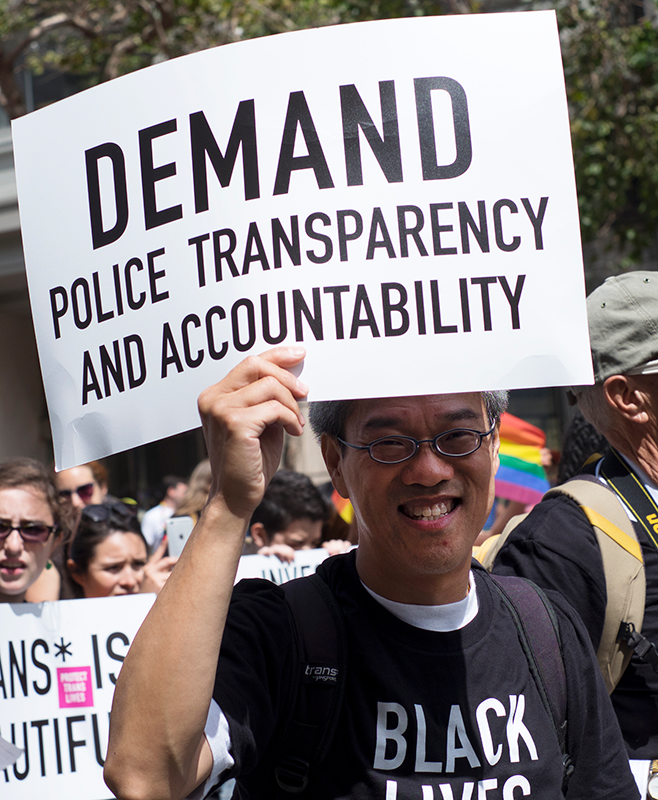
Other laws regarding police reform that have been signed into law are:
- AB 1475 prohibits police departments or sheriff’s departments from sharing mug shots on social media unless specific circumstances exist.
- SB 98 ensures that police can’t restrict journalists from covering protests and demonstrations.
- AB 89 requires the Chancellor of the California Community Colleges to create a policing degree program by June 1, 2023 and submit a report on recommendations on how to implement the program. This law also changes the qualifying age from18 to 21 for police officers.
- AB 48 prohibits the use of “ kinetic energy projectiles or chemical agents” such as rubber bullets or tear gas by any law enforcement agency to disperse any protest, assembly or demonstration.
- AB 490 prohibits law enforcement agencies from using techniques or transport methods that involve a substantial risk of suffocating the person in custody.
- AB 118 creates a pilot program to test community-based alternatives to a police response when people call 911. Community groups can receive grants to respond to some 911 calls that don’t require a police officer, such as issues related to mental health and substance abuse.

Laws regarding criminal justice reform:
- SB 73 ends mandatory minimum sentences for nonviolent drug crimes, instead allowing judges to hand down probation instead of jail time for various crimes relating to controlled substances.
- AB 1171 criminalizes spousal rape as rape (instead of its own category) and makes it puishable as rape.
- AB 453 criminalizes the non-consensual removal of condoms during intercourse, known as stealthing, as a sexual battery.
Gender equity laws:
- AB 1048 will require retail department stores that sell childcare items or toys and have a total of 500 or more employees to maintain a gender neutral section.
- AB 367 will require public schools (grades 6 to 12), California State Universities and community colleges to stock menstrual products, free of cost, in all women’s restrooms, all-gender restrooms and at least one men’s restroom.

Other laws, while not new, have been extended into the new year beginning with SB3 which increases the state’s minimum wage to $15 on Jan. 1, 2022, for employers with 26 or more employees and $14 for those employing 25 employees or less.
AB 174 which authorizes Californians age 70 and older to continue to renew their driver’s licenses online or by mail will continue through December 31, 2022.
Some bills passed by Newsom in 2021 won’t go into effect until a few years later, such as AB 3 which increases penalties for those convicted of “exhibition of speed if the violation occurred as part of a sideshow.” Starting July 1, 2025, courts will be allowed to suspend a person’s driver’s licence between 90 days and six months if a person is convicted of a violation relating to a sideshow, which is an event that impedes traffic due to car stunts, racing contests or reckless driving for spectators.