



Overview: Health journalism often focuses on macro-level issues, but a new fellowship has allowed the author to delve into health issues through three interconnected lenses: mental health, economic precariousness, and aging. The fellowship has underscored the importance of community in improving the physical and mental well-being of those covered. The author found that building trust and understanding a community’s dynamics, struggles, and spaces is essential to capturing deeply personal moments and fostering a sense of belonging. The fellowship has also taught the author that storytelling is most powerful when it reflects the voices and needs of those most impacted.
Aryana Noroozi
Health is deeply personal. The reason might stem from the daily messaging we encounter—how to live longer, lose weight, or prevent frightening conditions—or from the experiences of loved ones we’ve cared for, or even our own struggles.
Hearing about incidents in emergency rooms has been a constant in my life—my closest friend is in medical school studying to become an emergency medicine physician. I’m fascinated by the work of emergency healthcare providers whose entire role revolves around quickly diagnosing and stabilizing patients. But it raises a compelling question: What happens before patients reach those doors?
Over the past year, my reporting for the USC Annenberg Center for Health Journalism Ethnic Media Collaborative Fellowship has brought me closer to answering this question. Health journalism often examines issues on a macro level—exploring how various factors impact specific populations or communities. Through this fellowship, I was able to delve into health reporting through three interconnected lenses: mental health, economic precariousness, and aging.
Across these stories, one theme emerged as foundational: community.
Community was a recurring thread in every story I reported. For individuals in prison reentry programs, their mental health improved significantly when they joined peer groups or lived in spaces where shared experiences created a sense of belonging. Similarly, caregivers found support and resources through the United Domestic Workers union, creating a network to help them navigate their challenges. At the Moreno Valley Senior Center, seniors gathered five days a week to socialize and share lunch, counteracting isolation and loneliness.
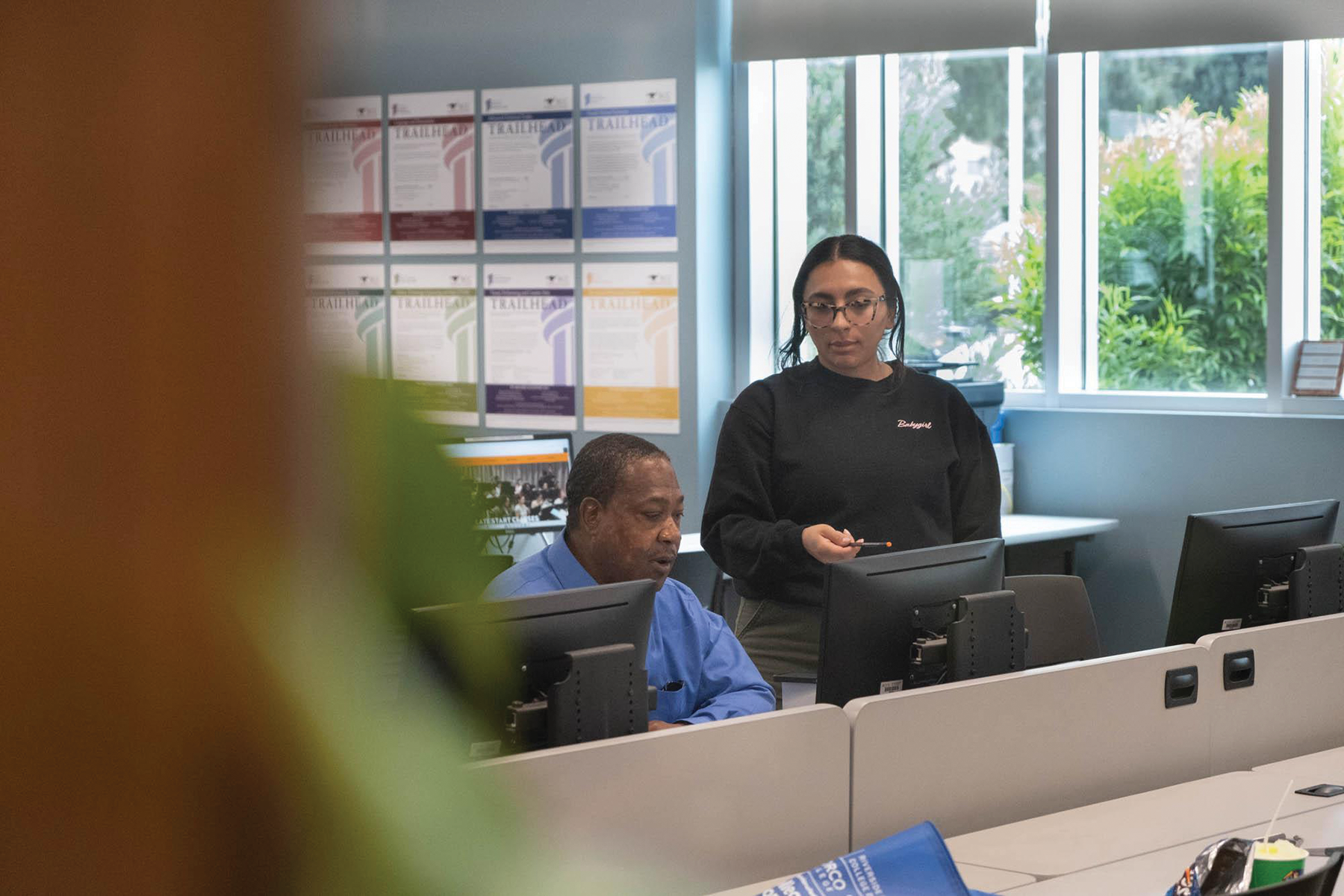
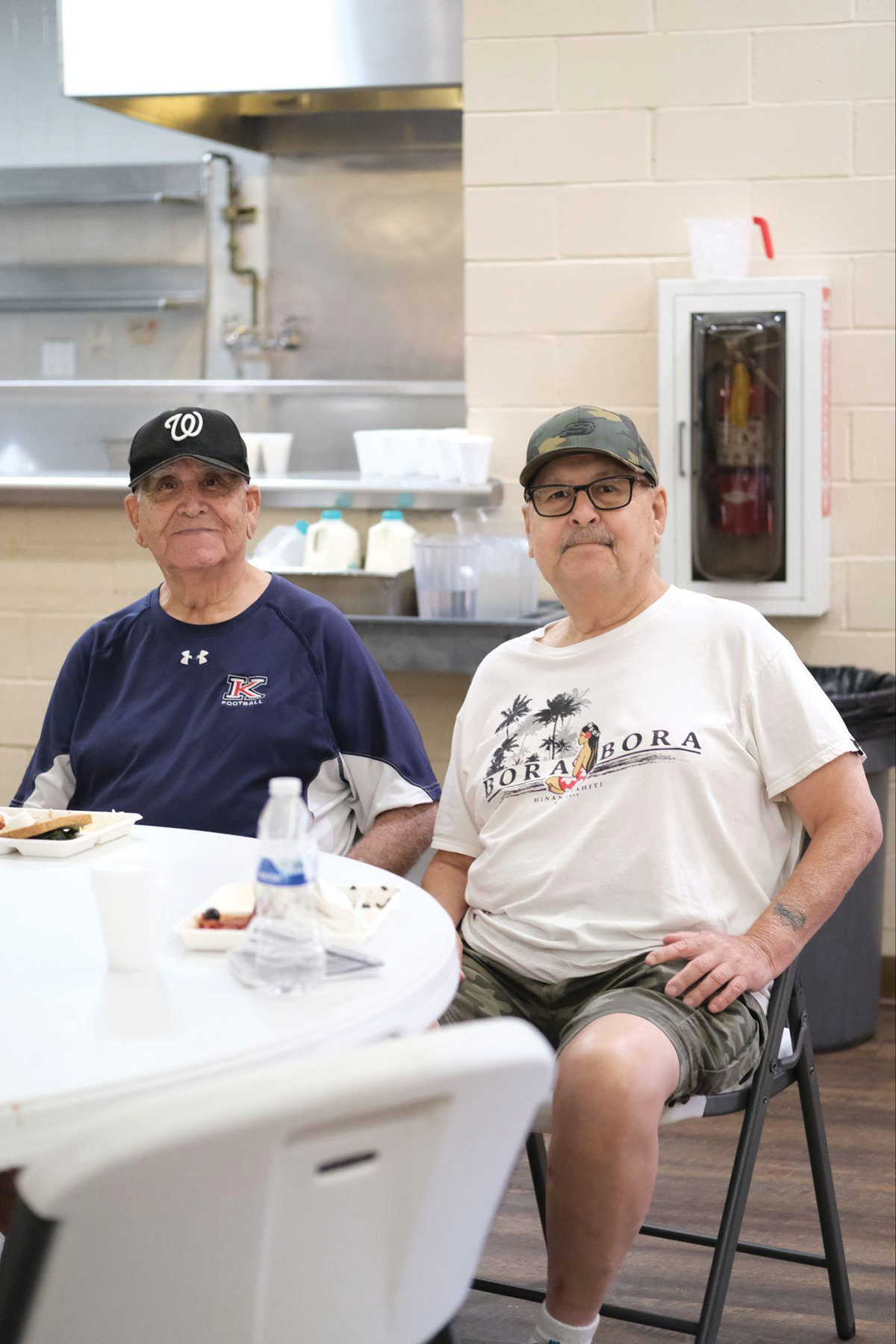
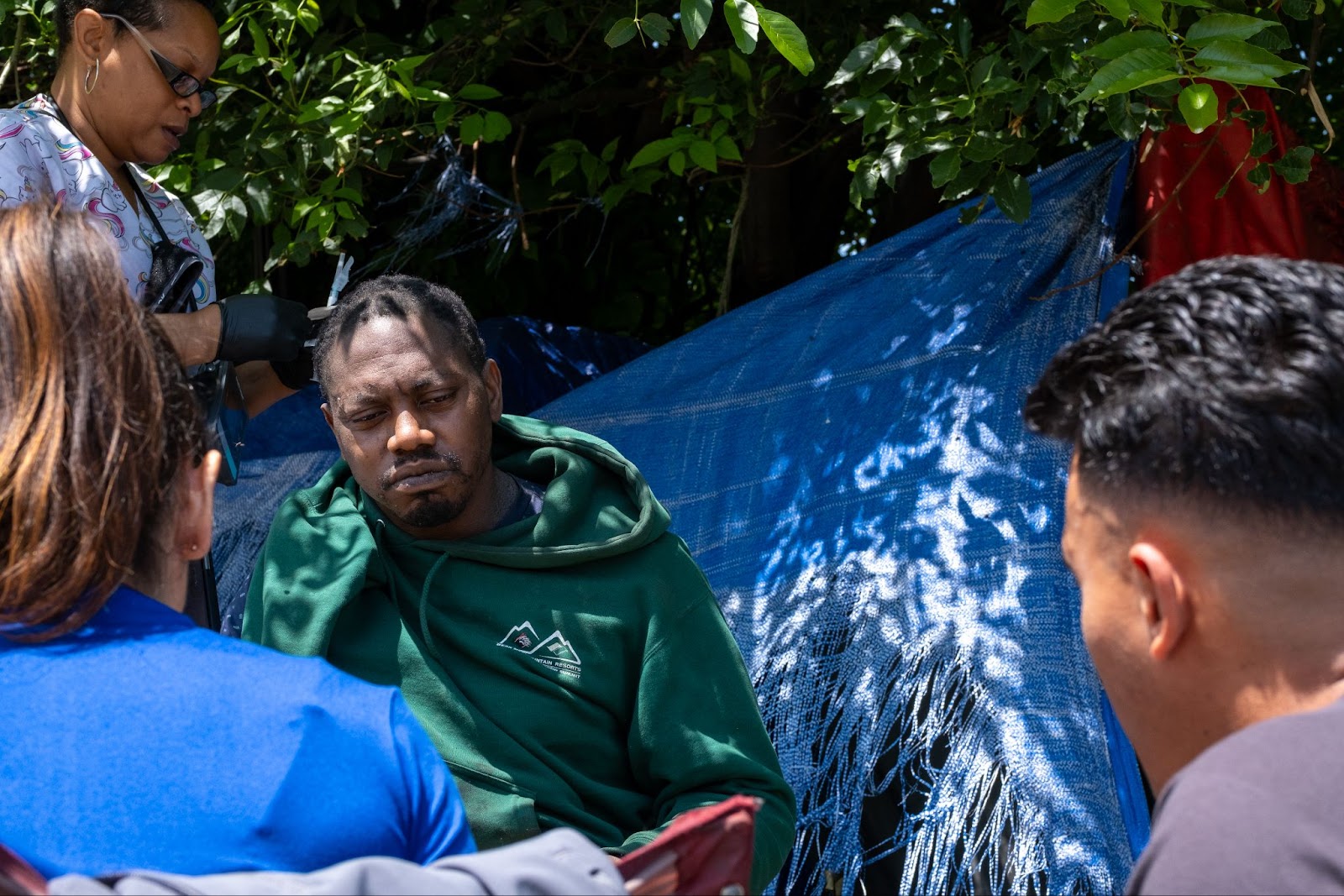
Community was also central to my approach as a writer and photojournalist. Throughout my work, I’ve found that gaining access to intimate stories requires trust, and trust begins with spending time in the communities I hope to document. Early in my career, I was daunted by the idea of getting from A to B in my reporting and photographing process: moving from an idea I sought to report on to finding myself inside a subject’s home capturing deeply personal moments. Over time, I learned that building trust starts with understanding a community—its dynamics, its struggles, and its spaces.
This fellowship underscored how community not only enhances the stories I can tell, but also directly improves the physical and mental well-being of those I cover. By fostering a sense of belonging, these communities helped individuals navigate the healthcare system and overcome systemic barriers in other areas of their lives.
The fellowship required us to tackle a new story each month. This fast-paced schedule meant I needed support in finding sources who were willing to share their health journeys. To do this, I connected with community-based organizations in Southern California’s Inland Empire and built relationships with individuals who could help me develop rapport with people in the community.
For example, while covering the health impacts of homelessness, I spent days with the Health Care in Action Street Medicine Team, traveling in a mobile clinic across San Bernardino and Riverside counties. This experience allowed me to take a “fly on the wall” approach, observing how healthcare providers built warm, friendly relationships with unhoused individuals. They met patients wherever they were—at a shopping center parking lot or an encampment—and demonstrated a profound knowledge of their patients’ lives. Witnessing these interactions taught me about the daily realities of homelessness and helped reinforce the importance of approaching sources with empathy and respect.
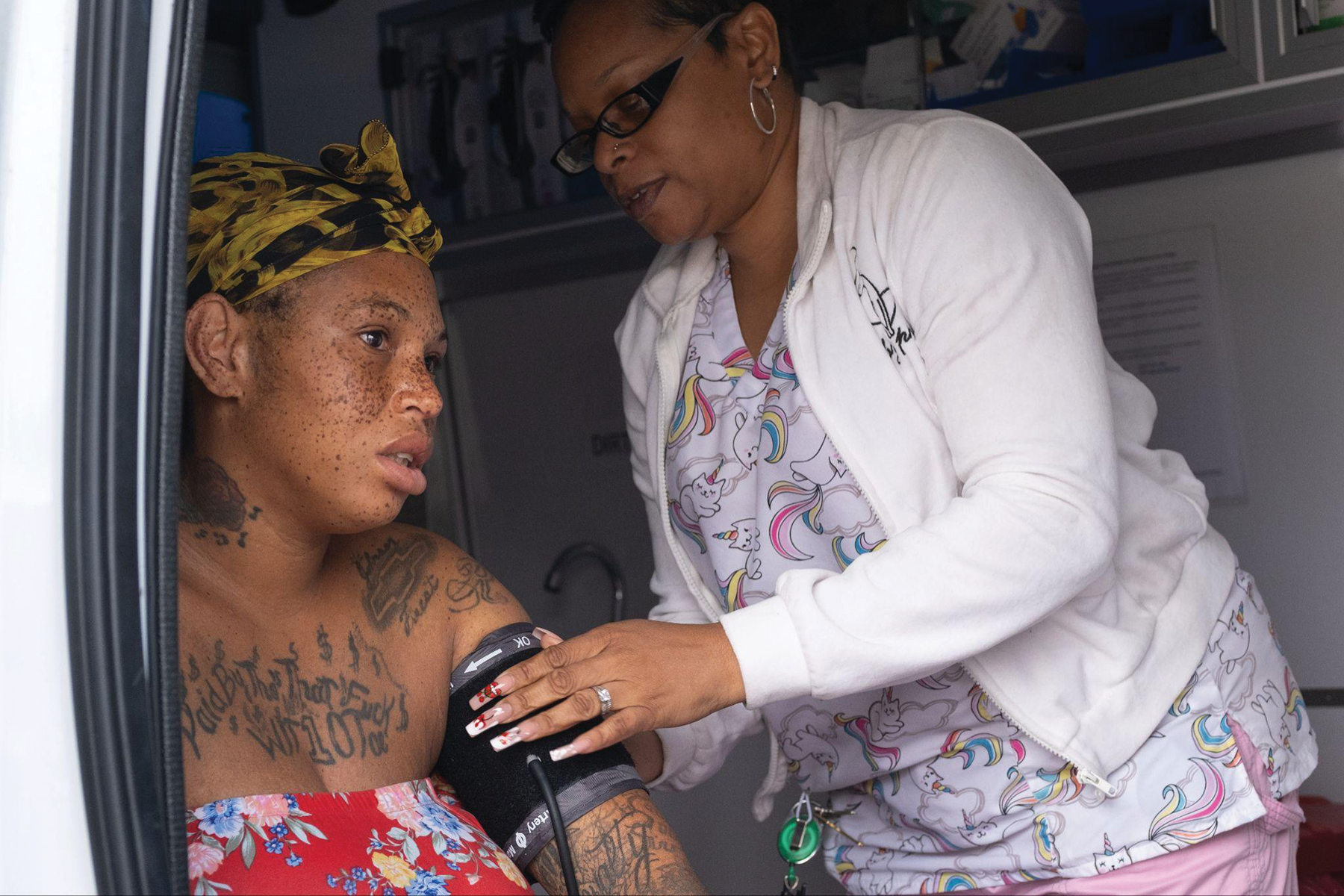
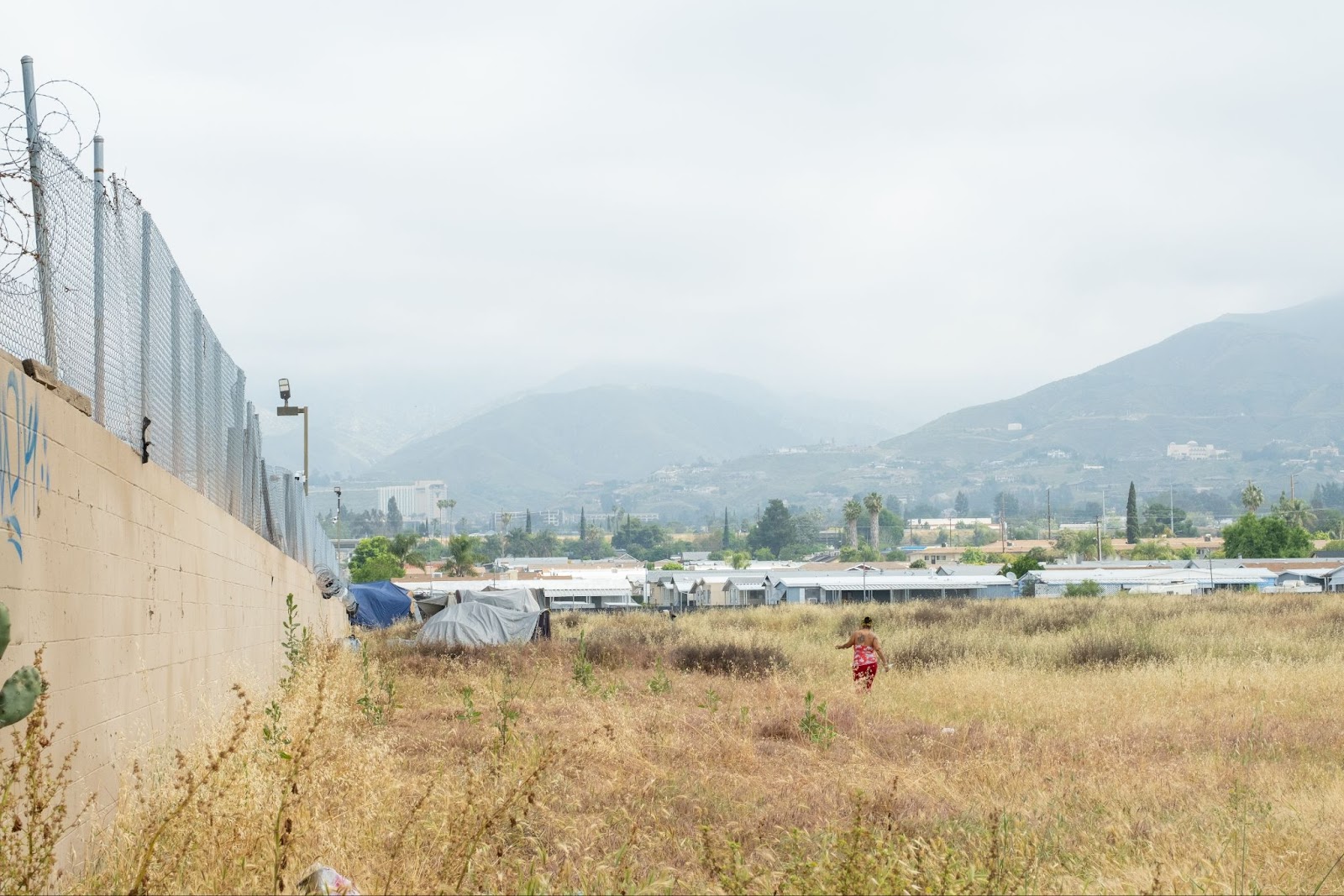
Discussions about ethics in photojournalism often highlight the tension between telling important stories and respecting the dignity of vulnerable individuals. The fellowship deepened my understanding of how essential it is to approach reporting with care, ensuring that my sources feel seen and respected. For example, I never record interviews or take out my camera until sources are ready. This allows me to build meaningful connections and produce work that is collaborative. While this principle is fundamental to my approach, this fellowship truly allowed me the time and space to build connections within the community.
By my second story on homelessness, I was interviewing a couple in their motel and the Health Care in Action street team coincidentally showed up to check in on one of my subject’s prescriptions. I knew this community and they knew me. Showing my intentions as I reported with them a month prior led me to the connection for the current story, hence, how and why I was welcomed at the motel. This approach of coming to understand the people and dynamics within a marginalized community and their health, informed my photographs and reporting.
I also learned the importance of the “trusted source”—someone within the community who bridges the gap between journalists and potential sources. For example, Kristen Malaby, a source I had previously worked with on a story about the warehouse industry, introduced me to unhoused individuals in San Bernardino. Since being injured in a warehouse years ago, she spent time in nature hosting nature cleanups and there, eventually met and began working with unhoused people in San Bernardino. Kristen’s enthusiasm for my project reassured potential sources, who then opened up to me. Without her, I doubt I could have captured the same depth in my reporting. This experience reinforced how critical trusted community members are in helping to facilitate honest and impactful storytelling.
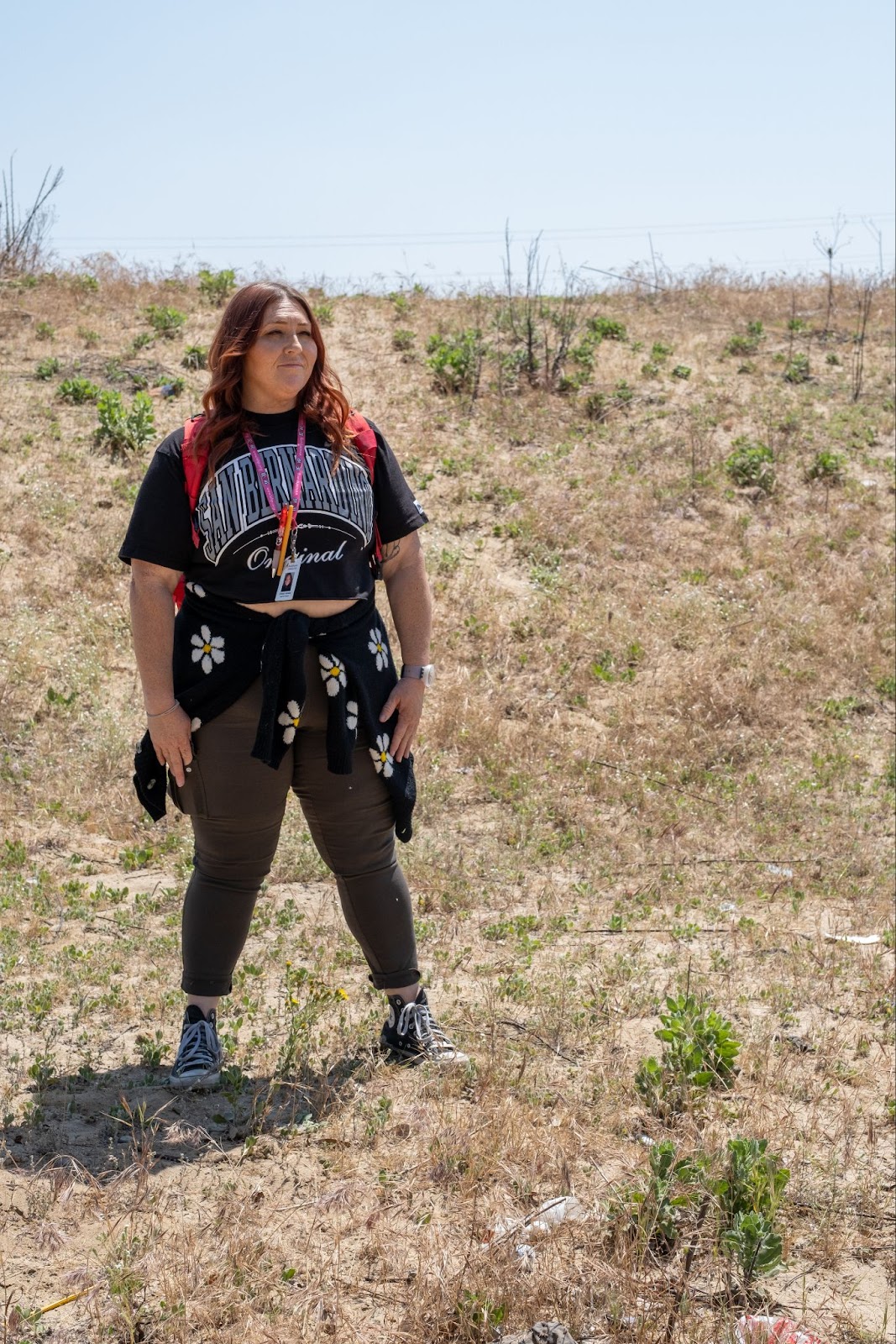
Of course, there were challenges. At times, I struggled to find stories. But each time, I returned to the community, asking myself: What organizations, spaces, and individuals do these groups trust? By focusing on these trusted spaces, I consistently found people willing to share their experiences and collaborate on stories.
This fellowship reshaped my understanding of the journalist’s role—not just as an observer, but as someone who builds bridges between communities and broader audiences. It taught me that storytelling is most powerful when it reflects the voices and needs of those most impacted. For other journalists tackling similar topics, my advice is simple: Start with the community.