


Overview: The National Oceanic and Atmospheric Administration (NOAA) has reported that some areas of the Inland Empire in Southern California have seen more rainfall than Seattle this year, attributed to theEl Niño weather pattern. The Ontario International Airport station has recorded 16.14 inches of rainfall since 2024 began, doubling its average record of 8.06 inches. The Riverside area station has recorded 11.14 inches of rainfall since January, almost doubling its yearly average of 6.51 inches. The transition from El Nio to La Nia is expected, which will result in colder and more nutrient-dense Pacific coastal waters.
Aryana Noroozi
As May begins, temperatures in Southern California are rising after several weeks of heavy rainfall in April. According to the National Weather Service, the Inland Empire region received more rainfall than Seattle this year. Experts said this increase in precipitation for the region was a result of the El Niño weather pattern which began in June 2023.
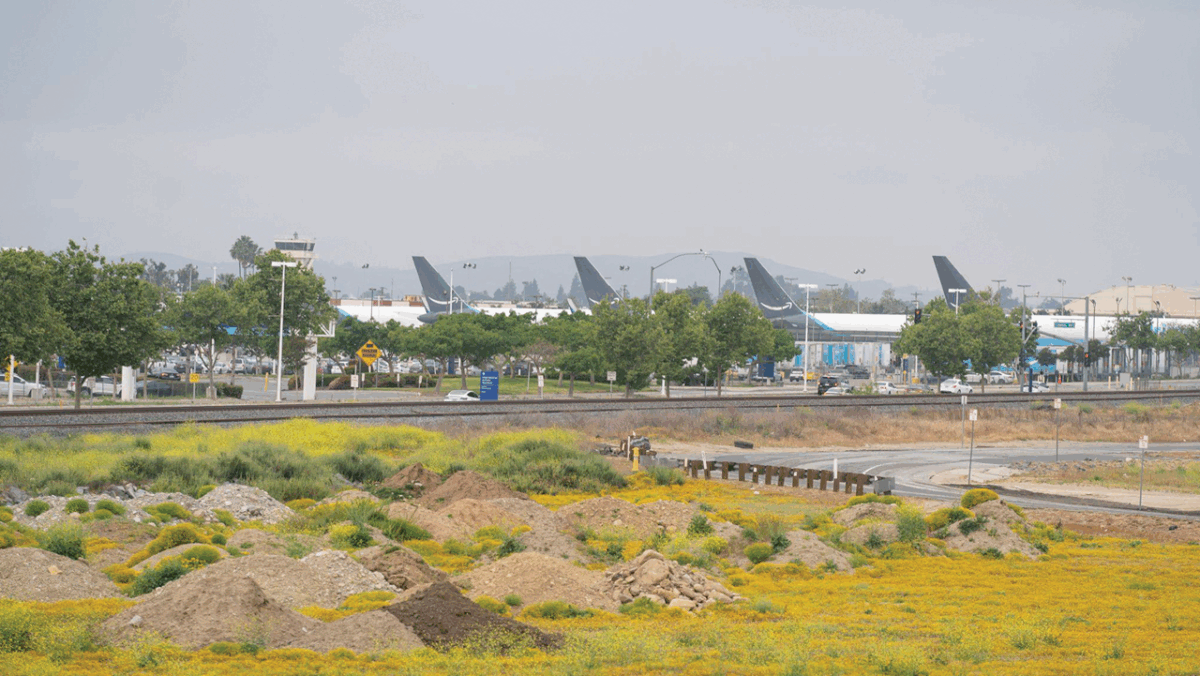
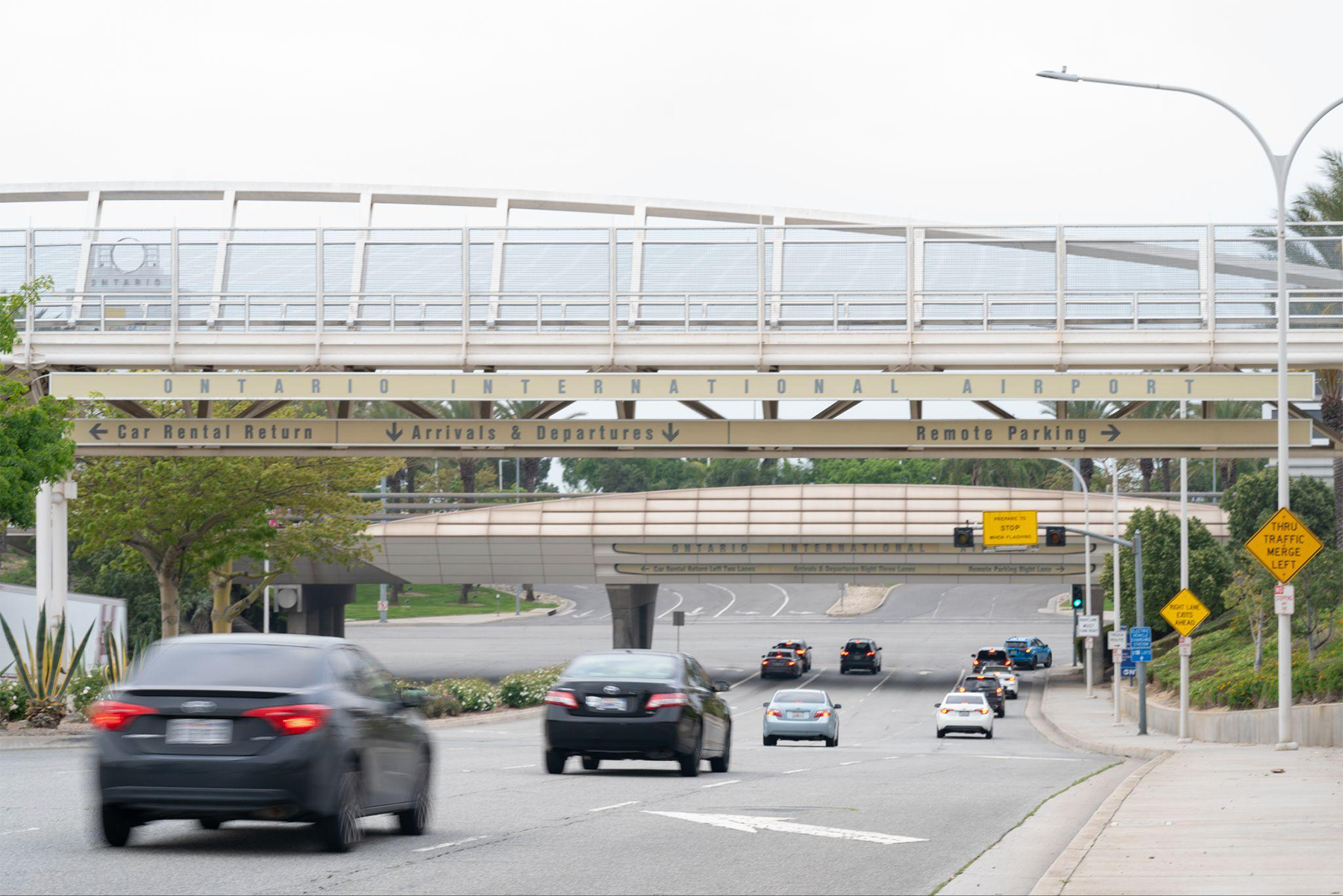
According to data from the National Oceanic and Atmospheric Administration (NOAA), as of May 1, the accumulated precipitation, or rainfall, counted by the Ontario International Airport station recorded 16.14 inches of rainfall since 2024 began. This year’s rainfall at the Ontario International Airport station has doubled the average rainfall record of 8.06 inches. Currently, this year’s rainfall stands at less than two inches below the highest recorded rainfall of 2005, at this location, which was recorded at 18.03 inches.
Seattle has only seen 15.20 inches of rainfall since Jan. 1, slightly under its average for May 1 of 15.59 inches, according to NOAA data.
The Riverside area station recorded 11.14 inches of rainfall since Jan. 1, almost double its yearly average of 6.51 inches, according to the NOAA. The Riverside area station’s all time high was recorded at 17.11 inches in 1978.
In 1978, according to a climate history report for the region, Hurricane Norman was a tropical cyclone that made its way to land, near Long Beach as a minimal tropical depression (previously known as a Category 4 Hurricane). The storm brought widespread rainfall to the region, including more than three inches in the San Bernardino Mountains.
The last four months of heavy rain in Southern California can be attributed to El Niño, which pushes warm water east, toward the west coast of the Americas and can shift patterns of precipitation and temperatures globally.
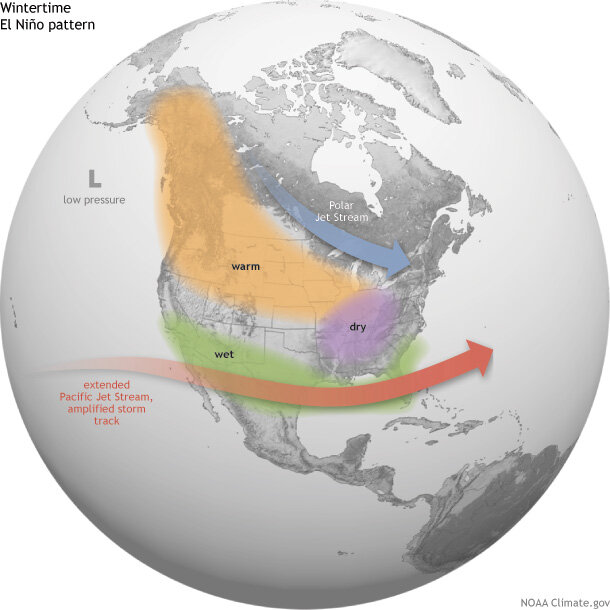
Colorado State University (CSU) meteorologists predict that El Niño is expected to transition into La Niña, a weather pattern where surface water temperatures over a large area of the Pacific drop by at least 0.5 degrees Celsius below the historical average for three months or more, by summer or fall.
This change will cause the Pacific coastal waters to become colder and more nutrient-dense, benefiting marine life along the West Coast according to the National Ocean Service. The last time we were in a La Niña weather pattern was in the beginning of 2023.