



By Alyssah Hall | Images by Aryana Noroozi
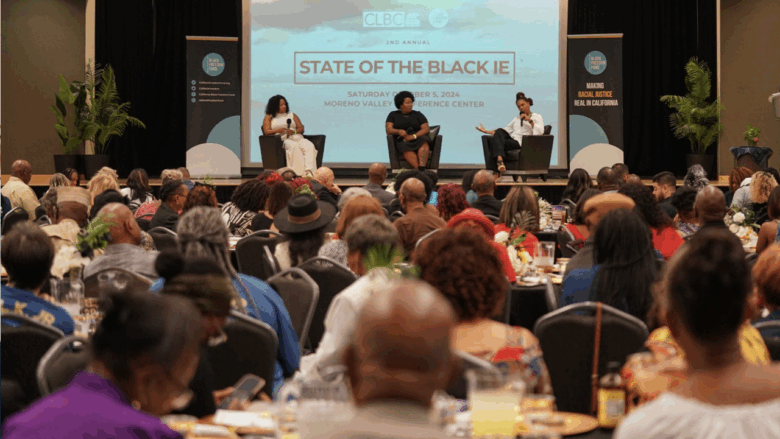
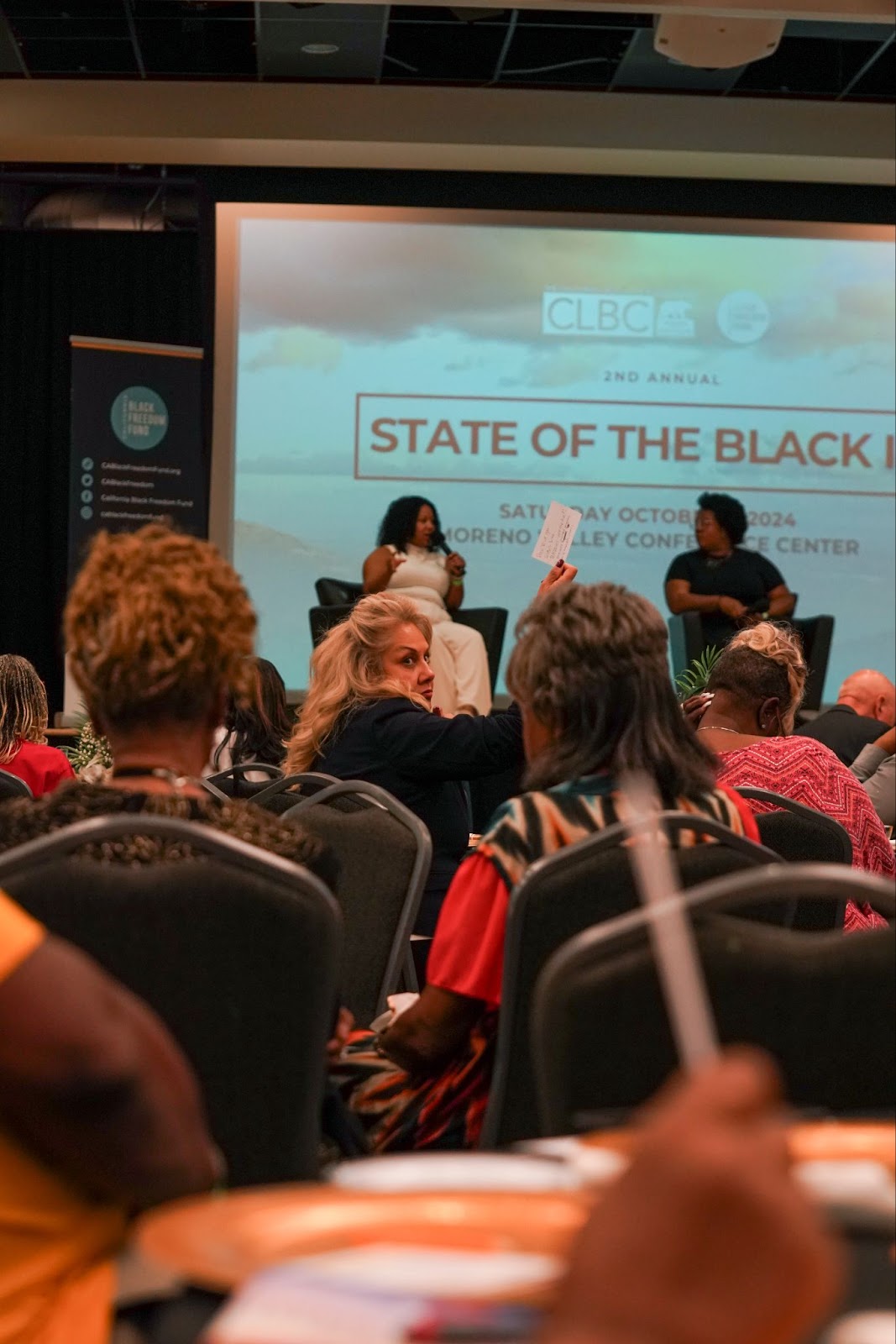
Recognized as the “Blackest city” in the Inland Empire, Moreno Valley is home to more than 25,000 Black residents, who account for 12% of the city’s population. As the “Blackest city,” Moreno Valley was the site for the 2nd Annual State of the Black IE, a nonpartisan event held on Oct 5.
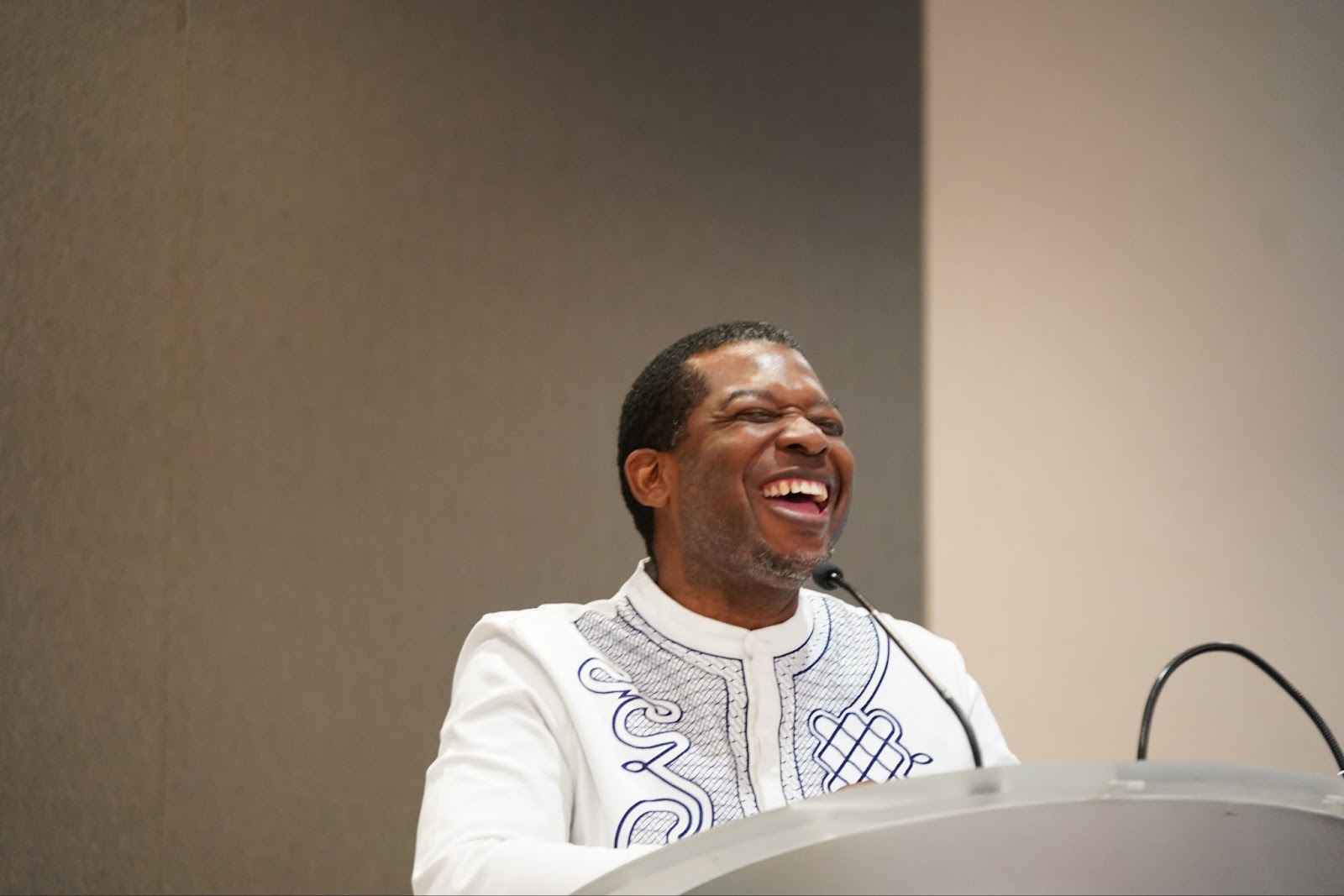
“Welcome to Moreno Valley, the Blackest city in the Inland Empire. I’m sorry, San Bernardino, you ain’t popping out them babies quick enough. Moreno Valley, done gotcha,” Assemblymember Corey Jackson joked as he started his speech. “And it is my pleasure to be able to put on our second annual, and by the time I’m done, it’ll be the 12th annual.”
Hosted by the California Legislative Black Caucus and the California Black Freedom Fund, the State of the Black Inland Empire welcomed local leaders and residents across the Inland Empire. There was a live performance by singer Alexandra McBride, who sang “Lift Every Voice and Sing,” accompanied by the Crescendo Conservatory of the Arts.
“The Black Freedom Fund, which I lead, is an organization that has really been committed to Black struggle and Black liberation. We were born out of the racial reckoning in 2020 by community leaders such as Kaci Patterson, Anthony Thigpen and Ben McBride, and funders who really wanted to transform philanthropy’s relationship to the Black community,” Marc Philpart , executive director of the California Black Freedom, said.
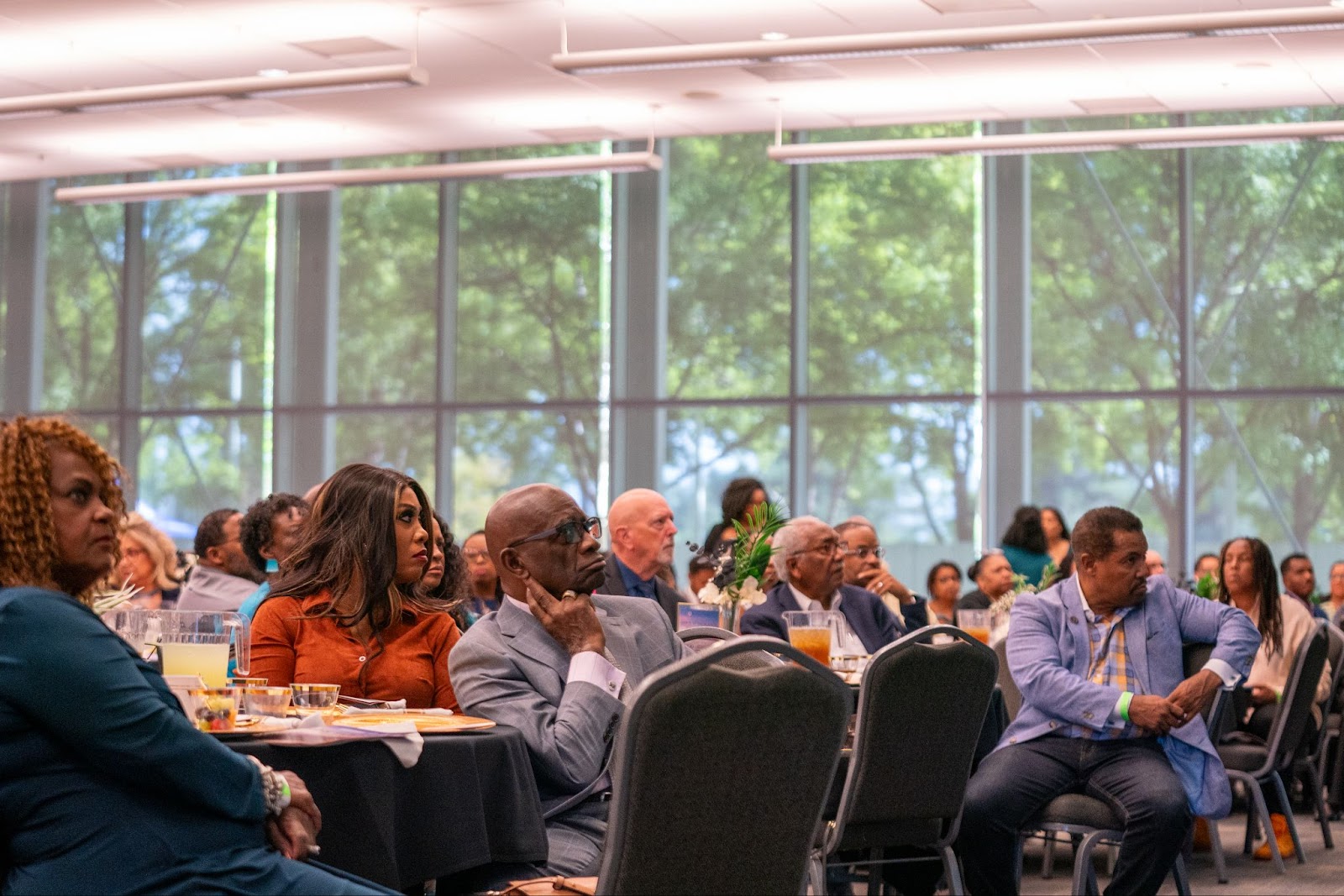

The event set out to highlight issues that impact Black communities across the Inland Empire and address progress and ongoing solutions aimed at improving the state of the Inland Empire. Hundreds of attendees listened as speakers discussed topics of concern such as Black maternal health and resiliency.
Curley Palmer, Riverside University Health System – Public Health Perinatal Equity Initiative Program Coordinator, and Monique Amis from the San Bernardino County Department of Public Health, delivered a presentation on Black infant health, current data about maternal complications and a call to action for community involvement.
“The Inland Empire is rich with Black brilliance, with leaders, innovators, educators and visionaries who are making an indelible impact. Our strength is in our unity. Our strength is in our unity,” Jackson said. “So if you’re still saying to yourself, ‘Oh, I’m tired [of working] with them people. I’m going to go do it myself.’ Well, I’m going to tell you this right now, if you can’t work with your own people, you ain’t Black.”
Jackson acknowledged the ancestral lands of the Cahuilla, Serrano, Luiseño, and Gabrielino Tongva People that the city of Moreno Valley is located on, and discussed how these indigenous people of California and Black people were “twins of oppression.” Jackson stated the need for solidarity with other minority groups and, finally, began a libation ceremony to honor ancestors and the international Black community.
Reverend Al Sharpton was scheduled to deliver a fireside chat, but canceled because his father passed away last week.
“Unfortunately, he won’t be joining us because he’s tending to family, but he has committed to rescheduling his trip to the IE and being with all of us at some point in the near future, and so we send him our condolences and best wishes and hope to have him here with all of you in the near future,” Philpart said.
Despite losing Rev. Sharpton as a speaker, other orators captured the attention of attendees with presentations about demographic data and how Black residents in the Inland Empire are faring and how data can be a tool utilized to find solutions.
Dr. Kim Tabari, from the USC Equity Research Institute, and Alex Reed and Candice Mays of Mapping Black California (MBC), provided a detailed presentation on Black California data and demographics. Mapping Black California is a data unit founded by Black Voice News publisher Dr. Paulette Brown-Hinds.
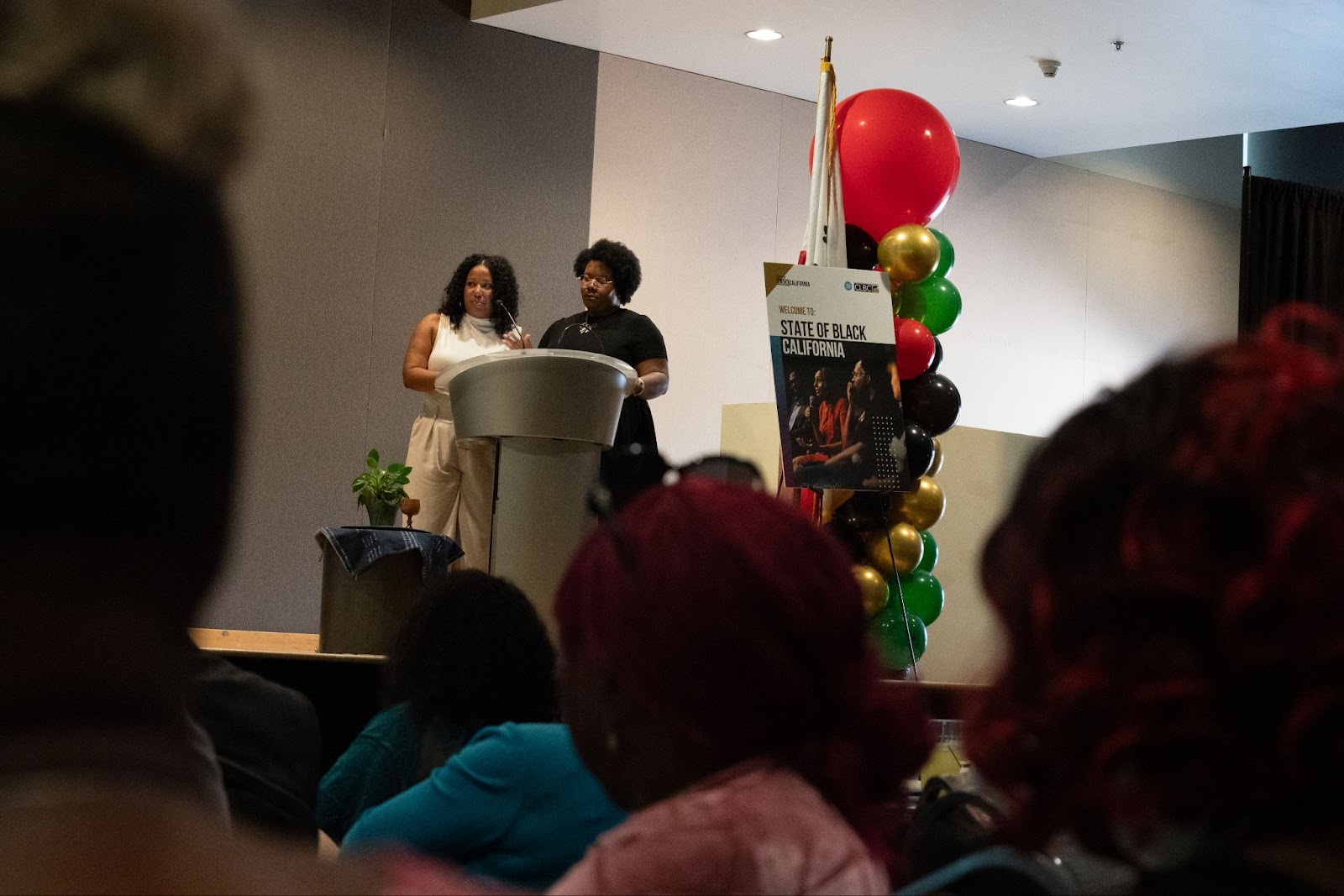
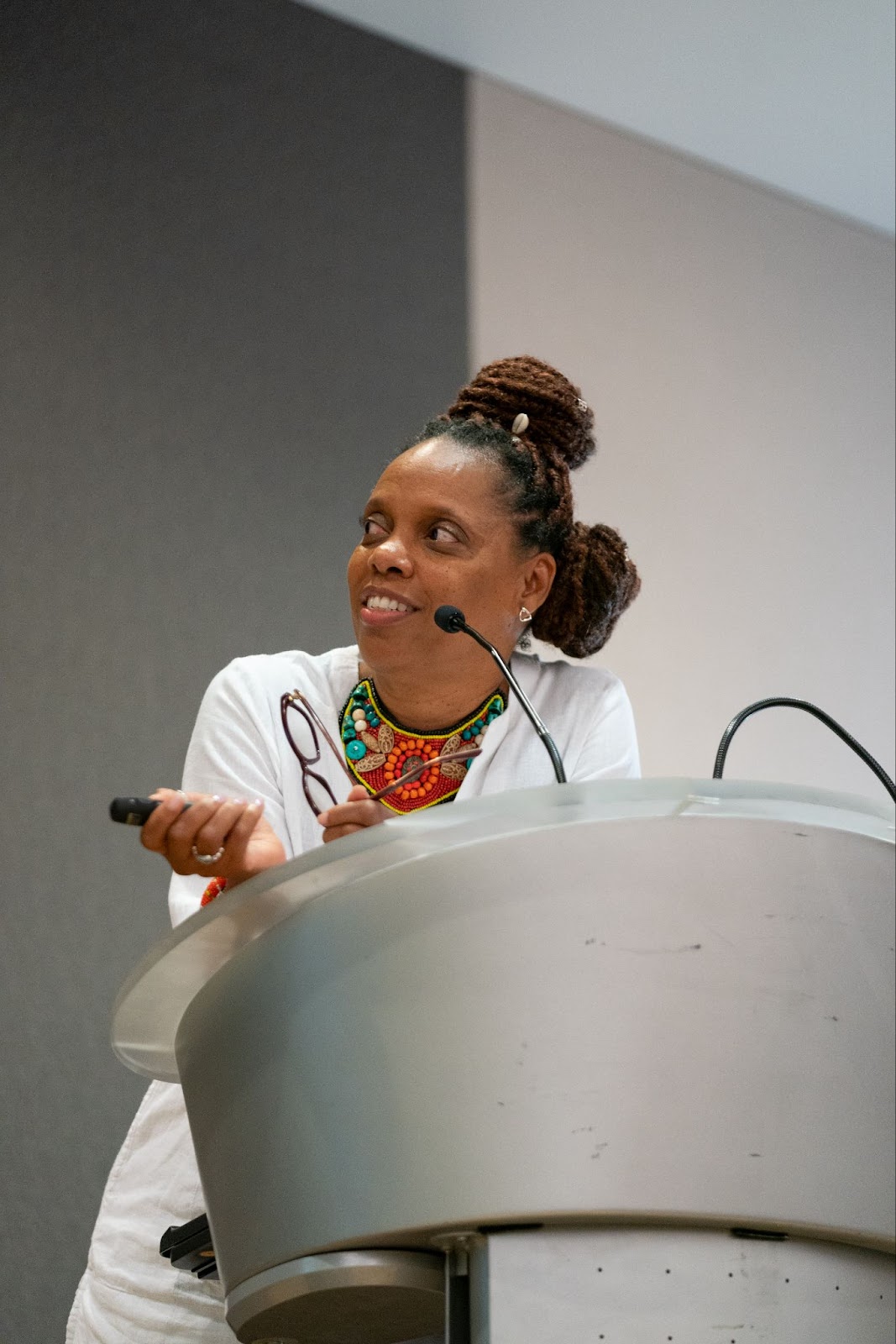
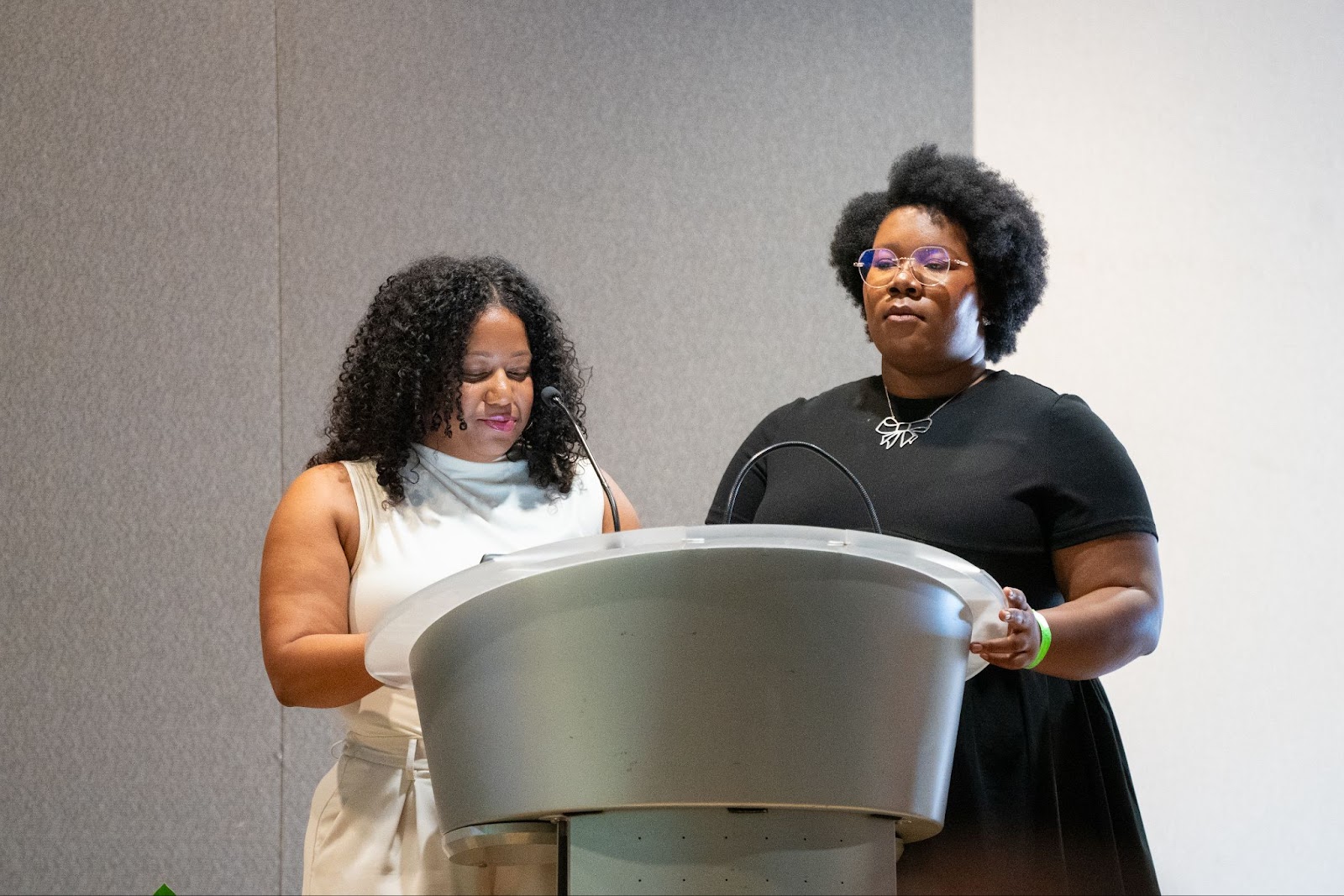
“A lot of the data that we will share today can be really hard to digest. Because it’s really sad, Black folks are struggling all across California. But as Dr. Jackson shared earlier, ‘If you can’t see me, you can’t serve me.’ So we have to see each other. We have to see where the gaps are, so that we know how to be intentional about our solutions,” Tabari said.
Before the event came to a close, a community panel was held that focused on fostering healing, repair and building power. The panel emphasized the importance of Black women leaders, the need for long-term funding and the significance of voting and civic participation in achieving community goals.
To watch the meeting in full, visit California Assembly Democrats’ YouTube channel and click on their “Tune into the 2nd Annual State of the Black IE!” video.