



S. E. Williams |
San Bernardino County’s Arrowhead Regional Medical Center (ARMC) in Colton has moved a step closer in its long journey to become the Inland Empire’s second Level 1 trauma center.
For more than 20 years ARMC has provided residents of San Bernardino County with medical services. The facility was built to meet the steadily increasing health needs of the area’s growing population.
Staff with 3,500 employees, 400 physicians, and 182 resident physicians, ARMC is Joint Commission Certified. Also, as a Comprehensive Stroke Center it was recently awarded the “American Heart Association/American Stroke Association’s 2021 “Get With the Guidelines® – Stroke Gold Plus Quality Achievement Award”.
On Tuesday, July 12, the San Bernardino County Board of Supervisors approved ARMC’s designation as a Level 1 Trauma Center by the Inland Counties Emergency Medical Agency (ICEMA), which surveyed the trauma center in April 2022.
ARMC has already implemented all the requirements for the Level 1 designation, including cardiovascular services and comprehensive care for trauma patients. ARMC’s Trauma Center handles approximately 2,500 traumas each year.
ARMC began its effort to become a Level 1 trauma center in 1982 long before ARMC was conceived at a time when its predecessor San Bernardino County Medical Center was located on Gilbert Street in San Bernardino. At the time, then Chief of Trauma Dev Gnana Dev M.D. worked with ICEMA, and other key partners, to help plan and build the trauma center.
The trauma center will feature eight-bays with a trauma coordinator and trauma nurse system. This separate area for trauma will provide the highest level of care for severely injured patients.
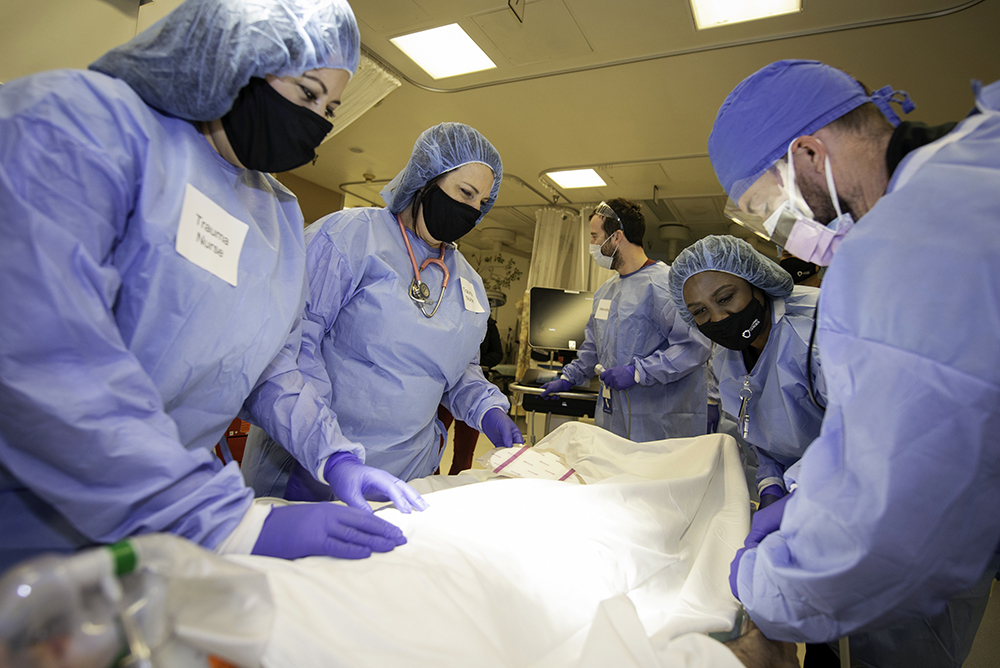
Elements of Level I Trauma Centers Include 24 hour in-house coverage by general surgeons and prompt availability of care in specialities such as orthopedic surgery, neurosurgery, anesthesiology, emergency medicine, radiology, internal medicine, plastic surgery, oral and maxillofacial, pediatric and critical care services.
Level 1 Trauma Centers also serve as a referral resource for communities in nearby regions, provides leadership in prevention, and public education, provides continuing education of the trauma team members, incorporates a comprehensive quality assessment program, and meets minimum requirements for annual volume of severely injured patients.