


Kenneth Kipruto |
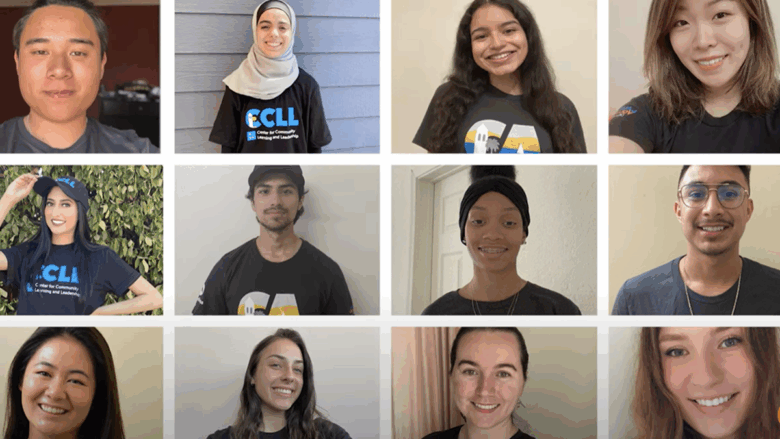
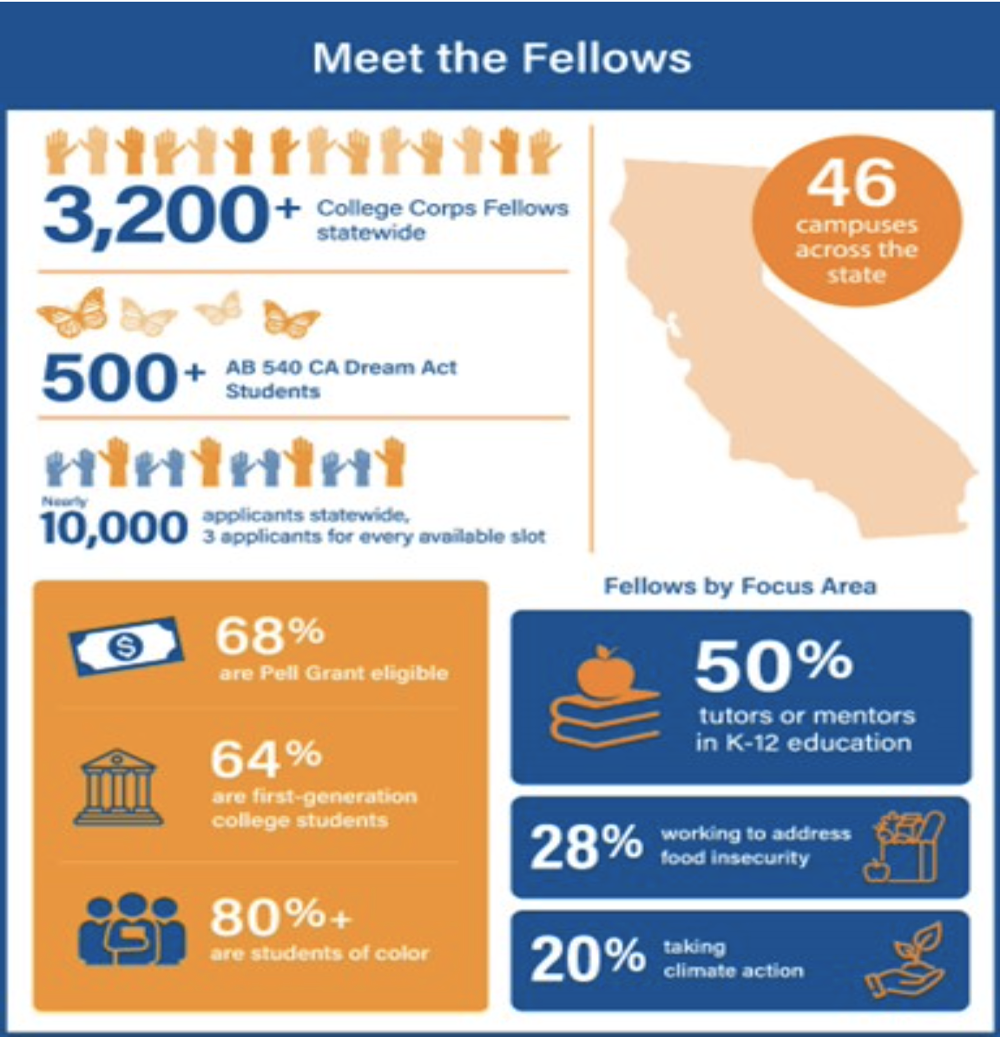
This month, the first cohort of 3,200 students under California’s new College Corp program will begin their first academic year as fellows in 46 colleges – including the University of California and California State systems, community colleges and private institutions.
Sworn in by Gov. Gavin Newsom at a ceremony in Sacramento last Friday, the students will serve communities across the state while earning money to pay for their college education.
Each student will receive up to $10,000 for completing a year of service in the community, either tutoring and mentoring low income students, distributing meals to those facing food insecurity, or taking climate action.
“The #CaliforniansForAll College Corps proves the point that you don’t have to be something to do something,” Gov. Newsom said during the swearing in ceremony. “This program creates a new path for students from all backgrounds to make a real impact in our communities while earning money for college.”
Of the 3,200 fellows, 80% are students of color, 58% are first-generation college students, and 68% are Pell Grant eligible. and 500 fellows are AB 540 Dream Act students.
“In California, if you are willing to serve your community and give back in a meaningful way, we are going to help you pay for college,” said California Chief Service Officer Josh Fryday. “This is a win-win-win: helping to pay for college, gaining valuable work experience, and having a meaningful impact on your community.”
The fellowship was launched by Gov. Newsom in 2021 and represents the first and largest state level investment in a college service program in the country, with $146 million earmarked for up to 6,500 students over the next two years.
In a media briefing yesterday, Mr Fryday said more than 10,000 students applied for consideration in the first cohort, and encouraged those who missed out to reapply next year. The #CaliforniansForAll College Corps will run through 2026, afterwhich the State legislature will decide whether or not to continue with it.
The students will be assigned to school districts, food pantries and other organizations working to address climate and food crisis and inequalities across the state. “This is what makes the program so extraordinary,” Fryday said.
One of the organizations where some students will be assigned is the Find Food Bank, a food pantry that operates in the south eastern sector of the state.
“They’ll help people come in and access the food, check in and out and get the data,” Find Food Bank Executive Director Debbie Espinosa said. “The students may also work on mobile food pantries, [and/or] in warehouses helping us prepare and pack food.”
Ali Alani, a student fellow at the University of California San Diego said he learned of the program through an email from his school. “My focus will be on education in the San Diego Unified School District where I’ll tutor and mentor students and leave a positive impact and inspire them to achieve their goals,” he said.
Wendi Lizola, an AB 540 fellowship recipient from Sacramento State University, will be working as a tutor in a middle school, inspiring and motivating young students with language barriers. Both Ali and Wendi said the $10,000 has helped cover gaps in their student finances.
Besides working directly in classrooms in school districts across the state, other fellows will support after-school programs run by non-profit organizations. Fellows focused on climate action will plant trees, assist in wildfire mitigation work and support a variety of environmental education and community outreach efforts.